Unpacking the Dynamics of Multi-Tiered Reward Systems in Portable Gaming Ecosystems
Drew Flores · Jun 9, 2026
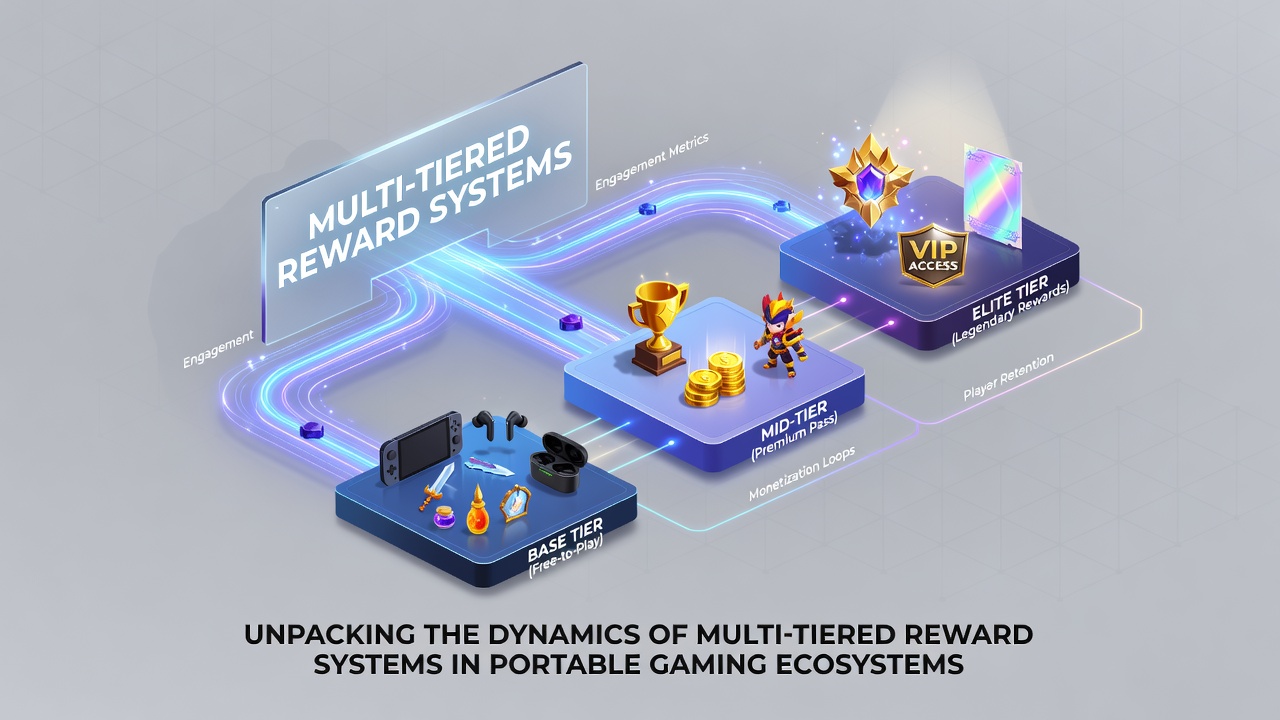
Unpacking the Dynamics of Multi-Tiered Reward Systems in Portable Gaming Ecosystems
Portable gaming ecosystems have expanded rapidly through smartphones and tablets, creating environments where multi-tiered reward systems serve as core mechanisms for player progression and retention. These systems typically structure benefits across multiple levels, such as entry, intermediate, and premium tiers, where users accumulate points or complete challenges to unlock escalating advantages like bonus content, customization options, or accelerated resource gains. Developers integrate these frameworks into genres ranging from puzzle adventures to strategy simulations, with data from industry tracking services showing increased adoption rates through the first half of 2026.
Core Components of Tiered Structures
Each tier operates on defined thresholds that combine activity metrics with time-based elements, allowing players to advance by logging consistent sessions or achieving specific milestones. Entry levels often provide basic incentives like daily login bonuses, while higher tiers introduce exclusive features such as priority access to events or reduced wait times for in-game actions. Research indicates that these layered designs encourage sustained interaction because participants receive immediate feedback alongside long-term goals, and platform analytics from major app stores reveal that games employing five or more tiers maintain higher average session durations compared to simpler reward models.
Mechanics frequently incorporate hybrid currencies, where free-to-earn points coexist with optional purchases that speed progression without replacing core gameplay loops. This balance helps maintain accessibility across diverse user bases in regions including North America, Europe, and Asia-Pacific markets. Observers note that algorithms adjust tier requirements dynamically based on aggregate player behavior, preventing stagnation in lower levels while scaling challenges appropriately for advanced participants.
Engagement Patterns Across Devices
Portable platforms introduce unique variables because users switch between short mobile sessions and occasional longer tablet interactions, influencing how reward systems track and reward activity. Systems that sync progress across devices through cloud integration allow seamless tier advancement regardless of hardware, and figures from application performance reports in June 2026 demonstrate that cross-device compatibility correlates with improved retention metrics. Developers employ push notifications and in-app reminders to prompt returns before tier benefits expire, creating recurring engagement cycles that align with typical commuting or downtime patterns common among portable gamers.
Case examples include strategy titles where tier unlocks grant temporary boosts during competitive events, whereas narrative-driven games might offer story expansions at premium levels. Data compiled by the Entertainment Software Association highlights that multi-tier implementations appear in over 60 percent of top-grossing mobile titles during recent quarterly assessments, underscoring their prevalence in commercial strategies.
Economic and Retention Implications
Revenue models tied to these systems blend advertising exposure at lower tiers with optional spending opportunities at higher ones, generating diversified income streams for publishers. Studies from academic institutions such as those published through university gaming research centers show correlations between tier progression and lifetime value metrics, where users who reach mid-level status exhibit greater willingness to engage with optional content over extended periods. Yet the design must account for regional regulatory variations, including guidelines from bodies like the Australian Communications and Media Authority that address transparency in virtual item disclosures.
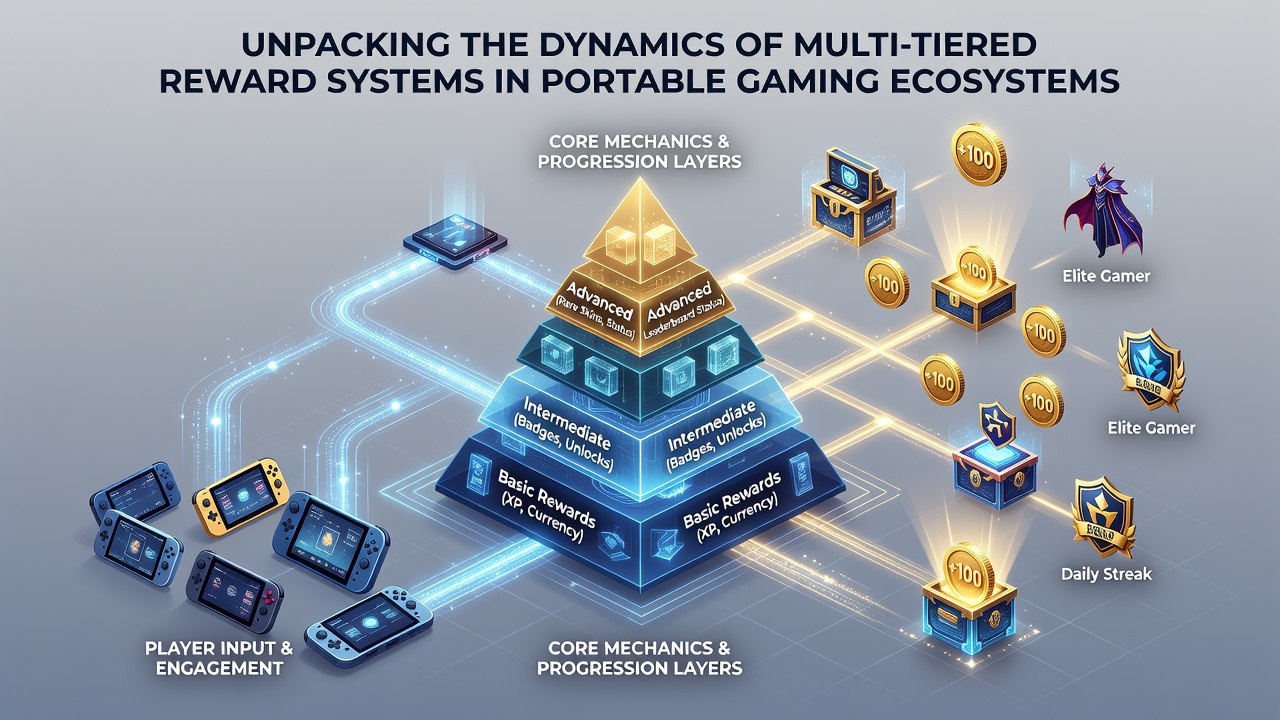
Retention data collected through June 2026 indicates that well-calibrated tiers reduce churn by providing visible pathways forward, although overly aggressive requirements can lead to disengagement among casual participants. Industry reports track how seasonal events temporarily elevate tier activity, with developers releasing limited-time challenges that accelerate advancement during promotional windows. This approach sustains momentum without altering baseline structures permanently.
Technical Implementation and Fairness Considerations
Backend architectures rely on server-side validation to prevent exploitation, employing encryption and behavioral monitoring to verify legitimate point accumulation. Updates in portable operating systems have introduced additional APIs that facilitate secure reward tracking, enabling smoother integration for developers. Fairness perceptions depend on clear communication of rules, and surveys conducted by research firms reveal that transparent tier explanations contribute to positive user sentiment across demographic groups.
Algorithms increasingly personalize tier offers based on individual play histories, presenting tailored challenges that align with demonstrated preferences. This customization occurs within broader frameworks that maintain competitive integrity among all participants, ensuring that progression remains merit-based rather than purely purchase-driven. External audits from independent testing organizations help verify system integrity, particularly as ecosystems incorporate emerging technologies like enhanced cloud synchronization.
Conclusion
Multi-tiered reward systems continue shaping portable gaming by balancing accessibility with aspirational elements that drive ongoing participation. Their evolution reflects broader trends in digital entertainment, where data-driven adjustments respond to player behaviors observed through mid-2026. Continued refinement of these frameworks supports sustainable growth across varied markets while addressing technical and regulatory demands inherent to mobile environments.