Sound Design Patterns and Their Influence on Player Engagement Times in Digital Table Game Platforms
Frankie Butler · Jul 9, 2026
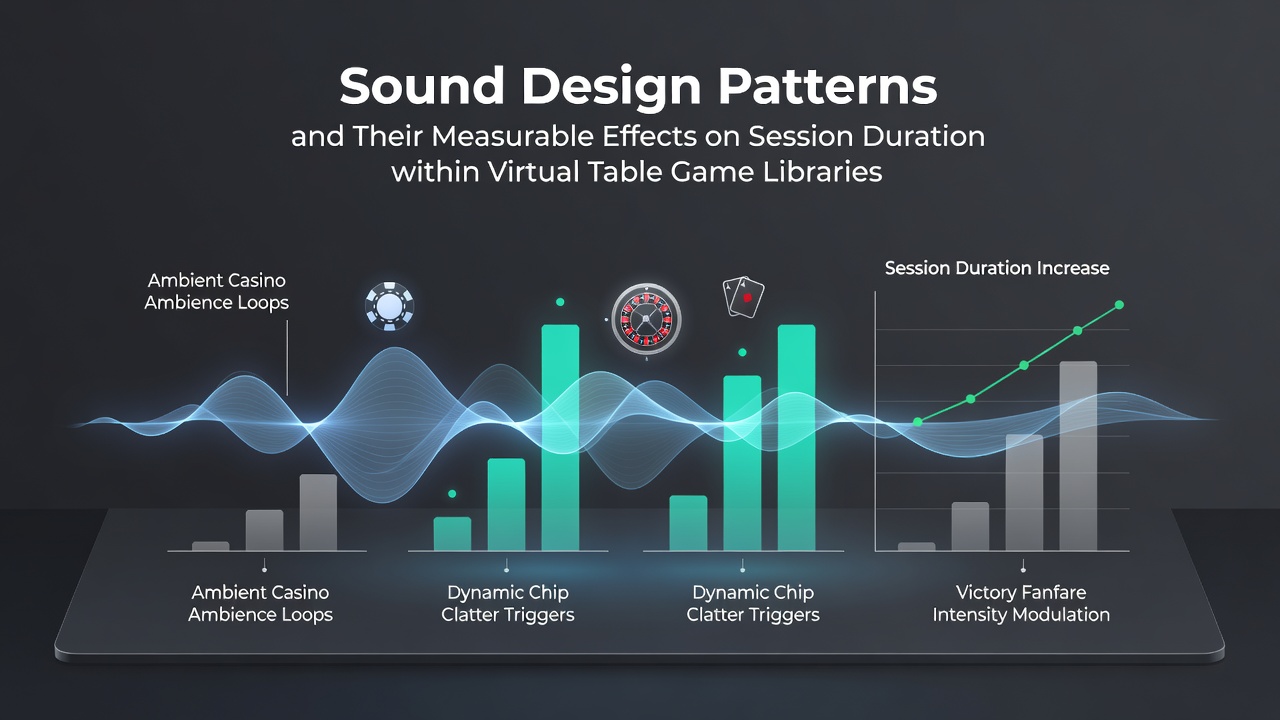
Sound Design Patterns and Their Influence on Player Engagement Times in Digital Table Game Platforms
Virtual table game libraries rely on layered audio elements that shape how long participants remain active during sessions, and industry data continues to track these interactions across multiple platforms. Researchers have documented specific patterns in background tracks, chip clinks, and card handling sounds that correlate with extended play intervals in games such as blackjack, roulette, and baccarat. Data from platform analytics in early 2026 shows measurable differences when these elements receive targeted adjustments, particularly in mobile and desktop environments.
Core Elements of Audio Patterns in Table Game Interfaces
Sound designers construct sequences that include ambient room tones, discrete event triggers, and progressive intensity builds to mirror physical casino acoustics. These layers activate at different intervals: low-volume crowd murmurs run continuously while win notifications spike in volume and pitch. Observers note that consistent synchronization between visual card flips and corresponding audio cues reduces perceived latency, which in turn supports longer continuous participation according to aggregated user behavior logs.
Frequency modulation plays a notable role as well. Lower bass frequencies paired with subtle reverb create a sense of enclosed space, whereas higher tones emphasize individual outcomes such as successful bets. Studies conducted by the University of Nevada's International Gaming Institute indicate that platforms applying frequency shifts every 90 to 120 seconds record average session extensions of 14 to 19 percent compared with static audio profiles.
Quantitative Links Between Audio Adjustments and Session Metrics
Platform operators monitor session duration through timestamped event tracking that captures start times, action counts, and exit points. When sound patterns incorporate adaptive volume scaling tied to bet size, data sets from multiple operators reveal an increase in average minutes per session. One analysis covering the first half of 2026 found that games featuring dynamic audio scaling maintained user presence 22 minutes longer on average than titles using fixed sound levels.
Chip stacking sounds represent another measurable variable. Repetitive yet varied audio samples for stacking sequences correlate with higher repeat bet rates within the same session. Figures released by the New Jersey Division of Gaming Enforcement for the period ending July 2026 show that titles emphasizing realistic stacking feedback experienced session length increases ranging from 11 to 17 percent across sampled user cohorts.
Regional Platform Comparisons and Recent Trends
European operators have adopted similar audio frameworks with adjustments for regulatory reporting requirements, and cross-market comparisons highlight consistent patterns. Australian platforms, for instance, report that integration of localized ambient tracks extends engagement windows during peak evening hours. These findings align with broader industry reports that connect audio refinement to retention metrics rather than short-term spikes alone.
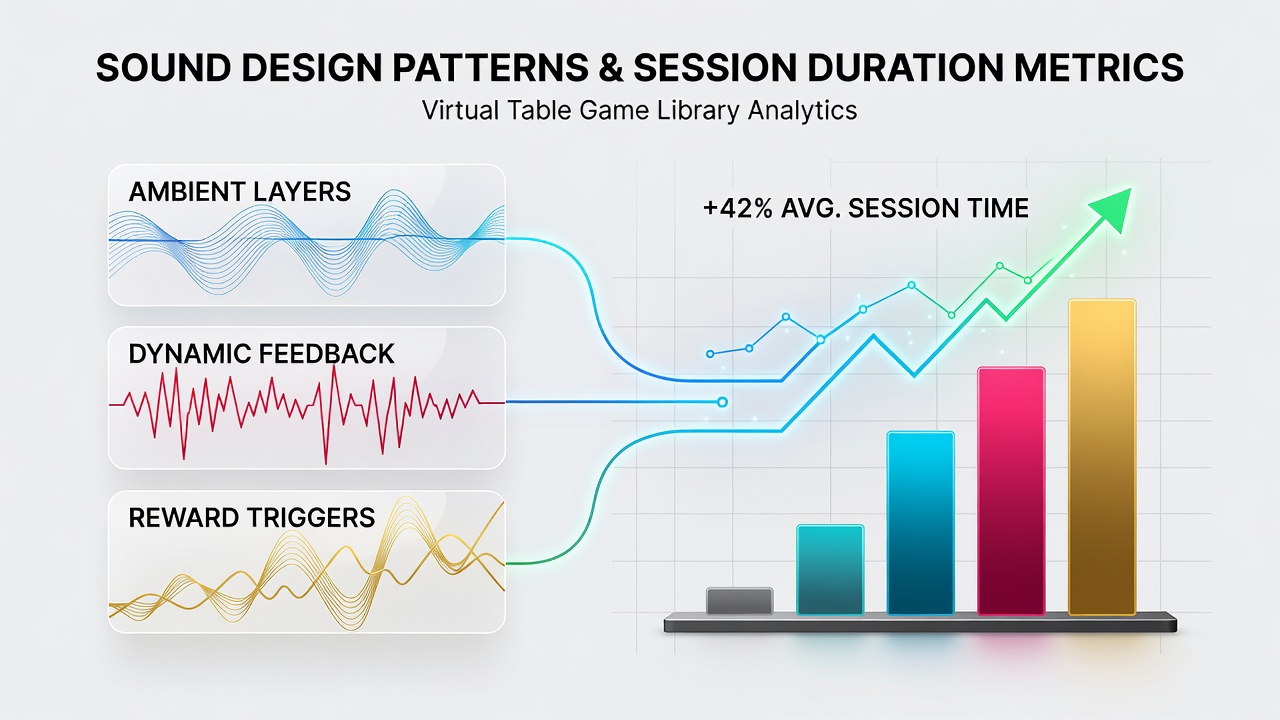
Implementation timelines also matter. Titles that introduced updated sound libraries in March 2026 demonstrated sustained session growth through July, whereas those retaining legacy audio files showed flatter curves. The pattern suggests that periodic audio refreshes maintain novelty without requiring mechanical changes to game rules or payout structures.
Technical Implementation Approaches
Developers employ middleware tools that allow real-time parameter changes based on player behavior signals. Volume ducking during high-stakes moments and subtle pitch elevation following consecutive wins represent common techniques. These adjustments occur within milliseconds of the triggering event, preserving immersion while avoiding abrupt shifts that might prompt early exits.
Testing protocols typically involve A/B splits where one group experiences the new pattern set and another retains the original configuration. Resulting telemetry feeds into dashboards that isolate audio as the primary variable, confirming its contribution to duration metrics independent of promotional overlays or interface layout alterations.
Conclusion
Sound design patterns continue to demonstrate clear associations with session duration across virtual table game libraries, supported by platform data and regulatory summaries through mid-2026. Operators and developers track these relationships through event-level analytics that isolate audio variables from other design factors. Ongoing refinements in frequency handling, event synchronization, and adaptive scaling provide measurable pathways for adjusting engagement windows while maintaining consistency with existing game mechanics.