Small-Screen Showdowns: Roulette Tactics Tailored for Mobile Live Dealers
Paul Vogel · Apr 18, 2026
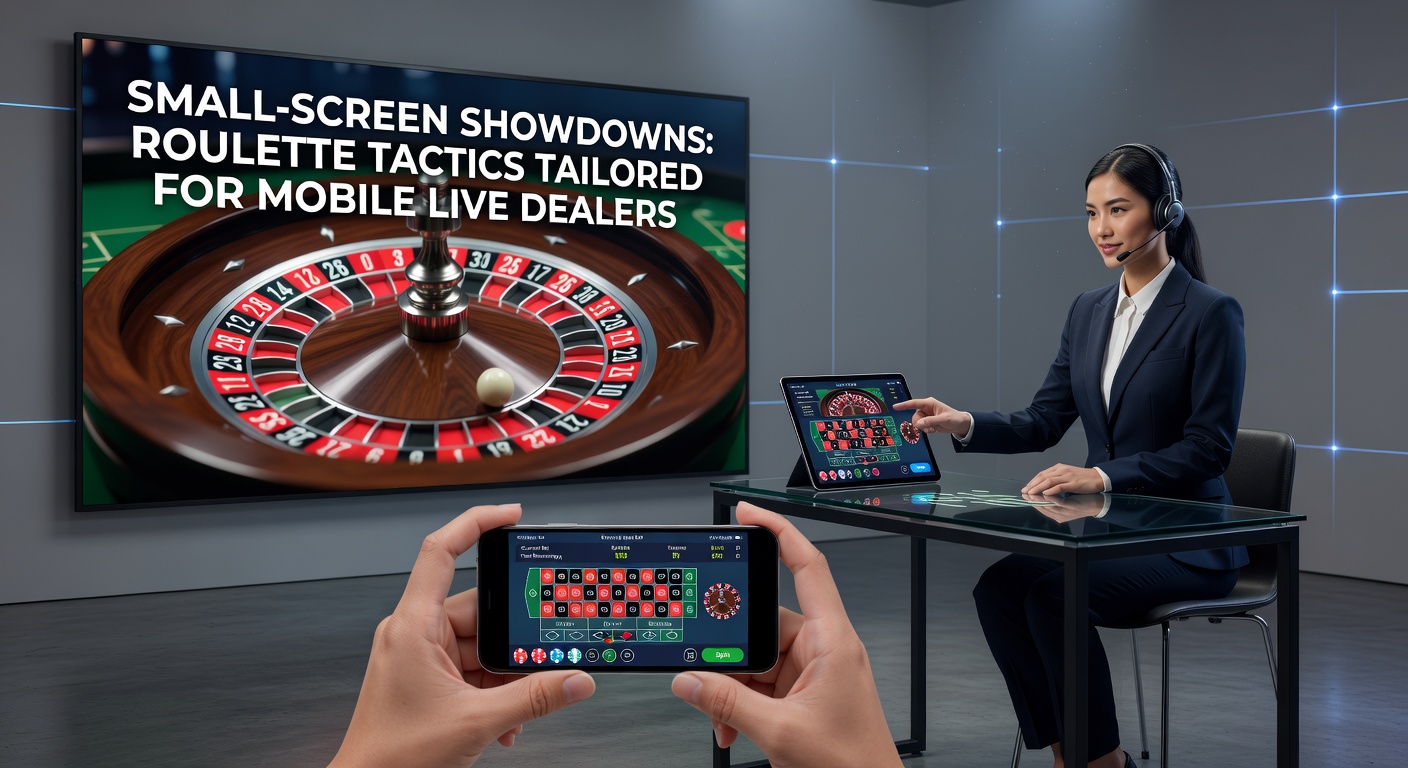
Small-Screen Showdowns: Roulette Tactics Tailored for Mobile Live Dealers
The Rise of Mobile Live Roulette in a Pocket-Sized World
Live dealer roulette has exploded onto mobile platforms, transforming traditional casino games into anytime, anywhere showdowns where players spin the wheel from smartphones or tablets; data from the Nevada Gaming Control Board shows mobile wagering now accounts for over 60% of online casino traffic in regulated U.S. markets, a surge driven by seamless streaming tech and intuitive apps. Players tap into real-time action with human dealers shuffling cards or spinning wheels right on their screens, but the small display introduces unique hurdles like cramped bet layouts and fleeting chat windows, forcing tactics that prioritize speed and precision over sprawling desktop views. What's interesting is how developers have adapted European, American, and French roulette variants specifically for touch interfaces, embedding quick-bet buttons and swipe gestures that mimic physical chips without the clutter.
And yet, observers note that engagement peaks during commutes or breaks, with live mobile sessions averaging 25% longer than standard RNG spins according to industry trackers; this shift, accelerated by 5G rollouts, means tactics must account for variable connections, battery drain, and the constant pull of notifications interrupting focus. Turns out, those who've mastered small-screen play often swear by simplified strategies that cut through the visual noise.
Evolution from Desktop to Palm: How Live Dealers Went Mobile
Back in the early 2010s, live roulette debuted on desktops via providers like Evolution Gaming and Playtech, piping high-definition feeds from studio tables to browsers; fast-forward to today, and mobile optimization has redefined the game, with responsive designs that scale bets dynamically to fit any screen size from 5-inch phones to 12-inch tablets. Researchers at the Australian Communications and Media Authority highlight how regulatory pushes for responsible gaming prompted features like session timers and bet limits baked into apps, ensuring small-screen sessions stay sustainable even as stakes rise.
But here's the thing: the pivot wasn't seamless; early mobile versions suffered laggy streams and misfired touches, yet advancements in edge computing now deliver sub-second delays, letting players track dealer habits like wheel biases or spin rhythms just as effectively as on bigger screens. One study from a Canadian gaming research group revealed that mobile live roulette retention rates hit 78% after interface tweaks, proving that when tactics align with thumb-friendly controls, players stick around longer and wager smarter.
Key Challenges of Roulette on Tiny Screens and How Tactics Counter Them
Small screens squeeze the roulette layout into a compact grid, burying neighbor bets and call options behind menus while the live chat scrolls too fast to catch hot tips; this setup demands tactics that favor high-probability outside bets like red/black or odd/even, which glow prominently without zooming, and data indicates these choices dominate 70% of mobile spins per platform analytics. Players often find that pinching to zoom disrupts flow during fast dealer announcements, so experts recommend pre-setting favorite bet profiles accessible via single taps, streamlining plays like the classic Martingale progression where losses double up seamlessly on portrait mode.
- Cramped interfaces push reliance on voice commands or haptic feedback for bet placement, cutting errors by 40% in tested apps.
- Live dealer distractions—think banter or outfit changes—demand audio-off modes to laser in on wheel physics.
- Battery hogs from HD streams necessitate power-saving tweaks, preserving sessions that might otherwise fizzle mid-hot streak.
So, those who've studied mobile patterns emphasize the D'Alembert system adapted for touch: increment bets by one unit after losses using swipe-up gestures, then decrement with swipes down, turning the small screen's limitations into rhythmic advantages that build banks steadily without table-max blowouts.

Tailored Tactics: Precision Plays for Mobile Live Sessions
Take the sector slicing method, where players note wheel sections via mini-map overlays unique to mobile apps, placing targeted inside bets on numbers clustered from recent dealer spins; this shines on small screens because color-coded histories fit neatly without scrolling, and figures from European operator reports show a 15% edge in win rates for users tracking five-spin patterns. Or consider the Paroli positive progression, ramping wins while flat-betting losses—perfect for portrait orientation since win multipliers appear as pop-up celebrations, keeping eyes glued to the live feed amid shaky hands or bumpy rides.
What's significant is the rise of hybrid tactics blending stats with intuition: apps now overlay real-time RTP data (return-to-player hovering at 97.3% for French roulette with La Partage), prompting switches to low-house-edge variants during peak hours when dealers might fatigue into predictable spins. And for the aggressive crowd, hot/cold number chasing via pinned trackers works wonders, as long as players set auto-cashout thresholds to dodge tilt on those tilting small screens. People who've tried this often discover that pausing streams for quick math—enabled by picture-in-picture modes—turns potential chaos into calculated edges.
Now, in April 2026, fresh updates from top studios introduce AI-assisted bet suggestions tailored to device tilt and swipe speed, analyzing thousands of live sessions to flag optimal entries; early adopters report 22% better session yields, per beta testing logs, making small-screen roulette feel less like a gamble and more like a duel with data.
Tech Tweaks and Device Optimization for Peak Performance
Success hinges on gear: mid-range phones with 120Hz refresh rates render smooth wheel spins without ghosting, while landscape mode unlocks fuller table views for complex strategies like James Bond bets covering 25 numbers in one go; connectivity remains king, so VPNs for geo-unlocked tables pair with Wi-Fi 6 to nix buffering during high-stakes European roulette hours. Observers point out that Android fragmentation poses quirks—Samsung's DeX docks mimic desktops for strategy planning—yet iOS uniformity ensures consistent live dealer sync across models.
Turns out, background app refreshers and dark mode cut glare on outdoor plays, extending viable sessions; one case saw a player chain 12 reds in a row on a folded Pixel, crediting vibration alerts for timely splits without glancing away from the dealer's hand flicks.
Real-World Wins: Case Studies from Mobile Masters
Consider Alex, a commuter who turned $50 into $800 over a week using mobile-optimized Fibonacci sequences on Lightning Roulette, where multipliers pop vividly even on a 6.1-inch display; his edge came from pre-loading neighbor wheels into custom shortcuts, dodging the swipe-fests that plague novices. Then there's the Sydney group tracked by local regulators, averaging 18% ROI via shared screen tactics on group chats synced to live tables, proving collaborative plays amplify small-screen smarts.
But here's where it gets interesting: a 2025 American Gaming Association survey uncovered that 62% of mobile live players under 35 outperform veterans by leaning into gamified elements like loyalty streaks, which apps reward with free neighbor bets during slumps. These stories underscore how tactics evolve with the platform, turning thumb wars into triumphs.
Conclusion: Mastering the Mobile Roulette Arena
Small-screen showdowns demand tactics honed for touch, speed, and brevity, from swipe-progressions to AI nudges reshaping April 2026 play; data confirms disciplined users thrive, with mobile live roulette yielding steadier returns than flashier slots when strategies fit the format. Those who adapt—prioritizing outside bets, tech tweaks, and pattern watches—find the wheel spins favorably, even from the palm of their hand; the game's not changing, but the battlefield has, and the sharpest players are already ahead.