16 Jul 2026
Player Habit Loops in Reward-Linked Game Libraries Across Borderless Platforms
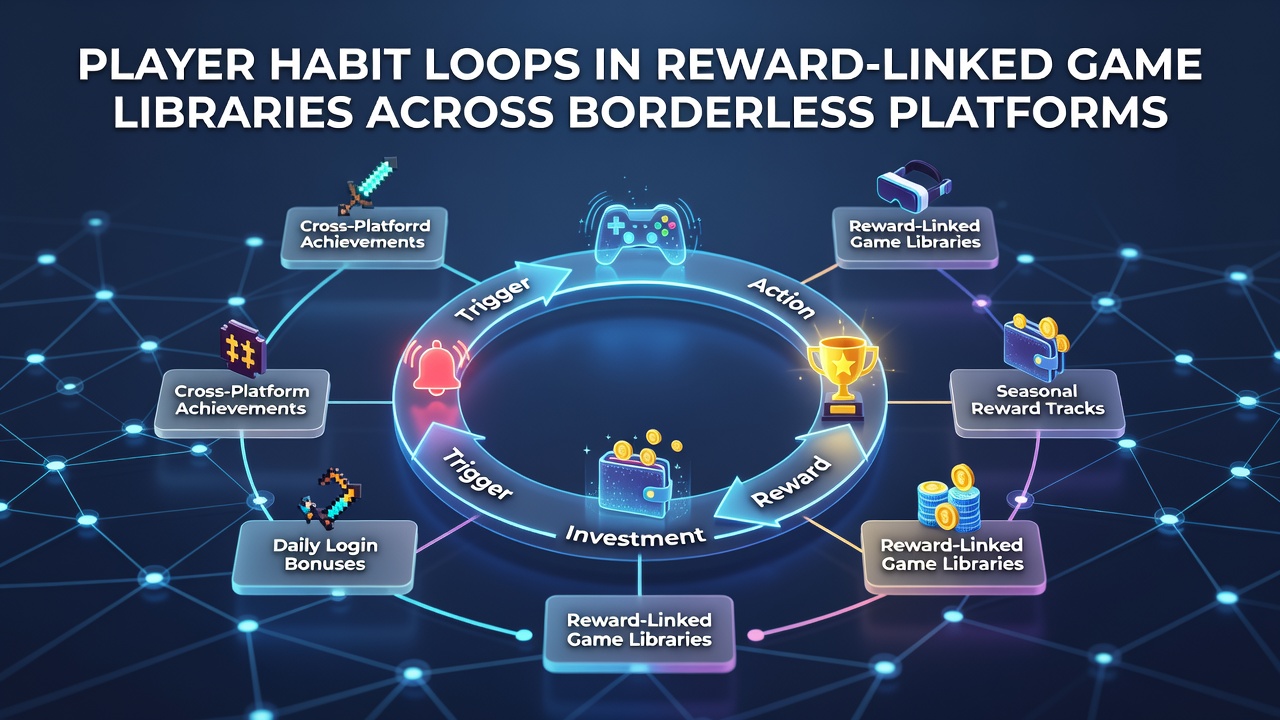
Player habit loops emerge when gaming platforms connect triggers such as notifications or login prompts with actions like spinning reels or placing bets, followed by rewards in the form of points, bonuses, or level ups that encourage repeated engagement across devices and regions. These loops gain complexity in borderless environments where players access the same libraries from mobile apps, desktop clients, and web browsers without geographic restrictions.
Core Components of Habit Formation in Gaming
Habit loops in reward-linked systems follow a sequence that researchers have tracked through behavioral data, beginning with a cue that prompts the player to open an app or select a game title. Action follows when users interact with mechanics such as card draws or symbol matches, and variable rewards then appear through randomized payouts or loyalty credits that differ in value each time. Investment closes the loop as accumulated points unlock new tiers or features, strengthening the desire to return. Data from multiple platform operators shows that players who complete at least three cycles per week maintain higher session counts over six-month periods compared with those who engage less frequently.
Borderless platforms amplify these patterns because account profiles travel with the user across jurisdictions, allowing seamless continuation of progress from one country to another. Operators maintain unified libraries that sync rewards in real time, which means a player who earns credits on a tablet in one time zone can redeem them later on a desktop in another.
Reward Linkages Across Game Types
Slot libraries tie habit loops to progressive multipliers and free-spin bundles that activate after set numbers of spins, while table game sections connect rewards to streak bonuses and loyalty multipliers applied to blackjack or roulette sessions. Both categories feed into shared point pools that players access through any registered device, creating continuity that sustains daily check-ins. Studies conducted by university research teams indicate that integrated reward structures increase average session duration by measurable margins when players can view their progress on multiple screens without resetting accounts.
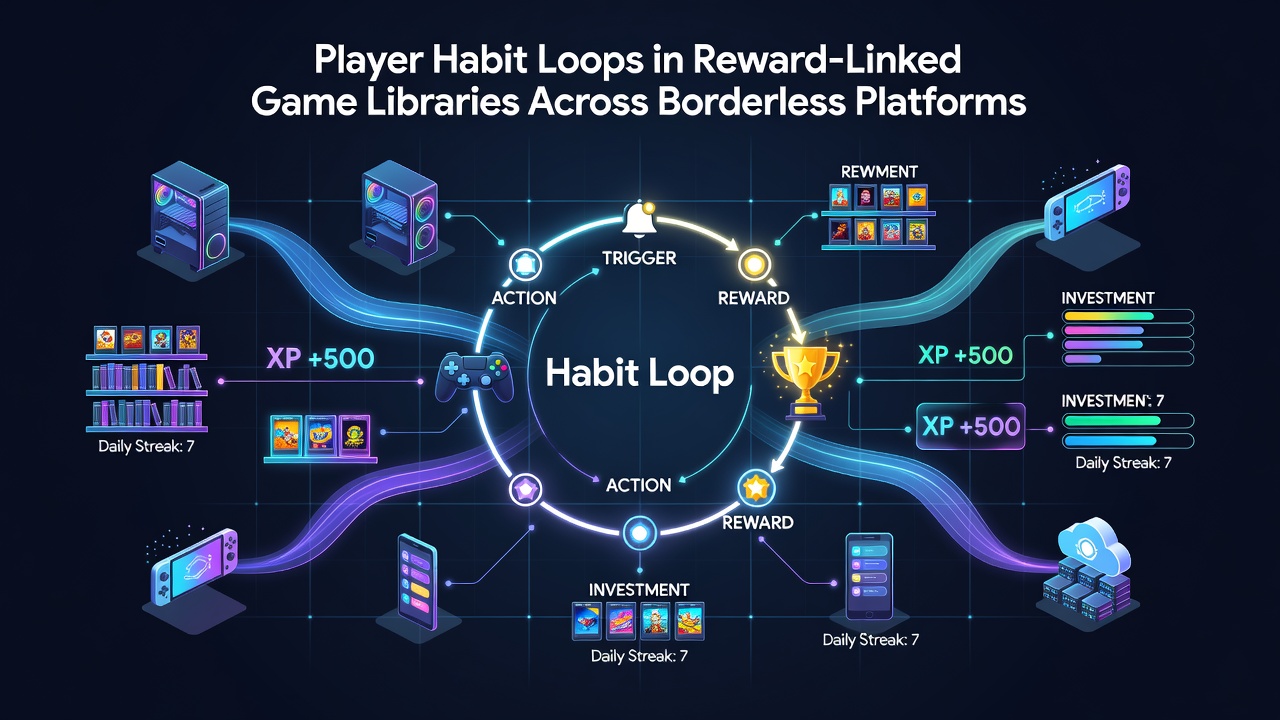
Platform operators track these interactions through backend analytics that log trigger frequency, action completion rates, and reward redemption patterns. Figures released in mid-2026 reveal elevated engagement levels during July, coinciding with seasonal travel periods when users switch between devices more often while crossing borders. This period demonstrates how borderless access supports uninterrupted loops even when players move between regulatory environments that maintain different tax or age rules.
Platform Synchronization and Data Tracking
Cross-device synchronization relies on cloud-based player profiles that store reward balances and game history, allowing the same library to present consistent mechanics whether accessed via smartphone or laptop. Operators update these systems regularly to align with varying regional requirements, yet the core habit loop remains intact because the reward delivery mechanism travels with the account. Reports from gaming associations in Australia and Canada document how such synchronization correlates with steady month-over-month increases in active accounts that span multiple jurisdictions.
Security protocols embedded in these platforms verify identity at each login while preserving reward continuity, which reduces friction that might otherwise interrupt the loop. Transaction logs show faster processing times for reward claims when players remain within the same ecosystem rather than switching between separate operators.
Trends Observed Through 2026
Through the first half of 2026, aggregate data compiled by industry research groups shows continued growth in players who maintain accounts across at least two device types. July 2026 figures in particular highlight spikes in cross-border logins during major sporting events and holiday periods, when reward-linked features draw users back into sessions more frequently. These patterns appear in both slot-focused libraries and mixed table-game environments, suggesting the habit loop operates independently of specific game categories when rewards remain unified.
Regulatory bodies in different regions continue to monitor these systems for compliance, requiring operators to maintain transparent records of how rewards influence play frequency. The resulting datasets help analysts identify where loops strengthen or weaken depending on reward size and availability across platforms.
Conclusion
Player habit loops in reward-linked game libraries persist across borderless platforms because the sequence of cue, action, reward, and investment functions consistently regardless of device or location. Data collected through 2026 confirms that unified account systems support repeated cycles while operators adjust for regional rules. Continued tracking by research institutions and regulatory agencies provides ongoing insight into how these patterns evolve as platforms expand their reach.