Payment Processing Trends in Digital Casinos: Security Enhancements and Transaction Speeds
Frankie Butler · May 16, 2026
Payment Processing Trends in Digital Casinos: Security Enhancements and Transaction Speeds
Digital casinos continue to refine their payment systems in 2026, with operators integrating advanced security layers alongside technologies that trim processing times down to seconds rather than minutes; these shifts reflect broader industry responses to regulatory demands and player expectations for seamless experiences across multiple jurisdictions.
Security Protocols Evolving in Real Time
Tokenization has become a standard practice where operators replace sensitive card details with unique identifiers that expire after single use, and this approach limits exposure during data transfers between platforms and financial institutions. Biometric verification now pairs with these methods in many systems, requiring fingerprints or facial scans that tie directly to user accounts, while artificial intelligence monitors transaction patterns for anomalies that could signal fraud attempts before funds even move.
Researchers at several institutions have documented how machine learning models trained on historical breach data now flag suspicious activity within milliseconds, and one notable deployment in Canadian markets during early 2026 reduced unauthorized access incidents by significant margins according to reports from iGaming Ontario. Multi-factor authentication layers add another barrier, often combining device recognition with one-time codes sent through secure apps rather than SMS, which helps operators meet compliance standards set by bodies like the Malta Gaming Authority.
Transaction Speeds Reaching New Benchmarks
Payment rails have accelerated through partnerships with instant settlement networks that bypass traditional banking delays, allowing deposits to clear in under ten seconds when using compatible e-wallets or direct bank links. In May 2026 several platforms rolled out upgrades leveraging 5G connectivity, which supports real-time verification calls between casino servers and payment providers without the lag that plagued earlier mobile connections.
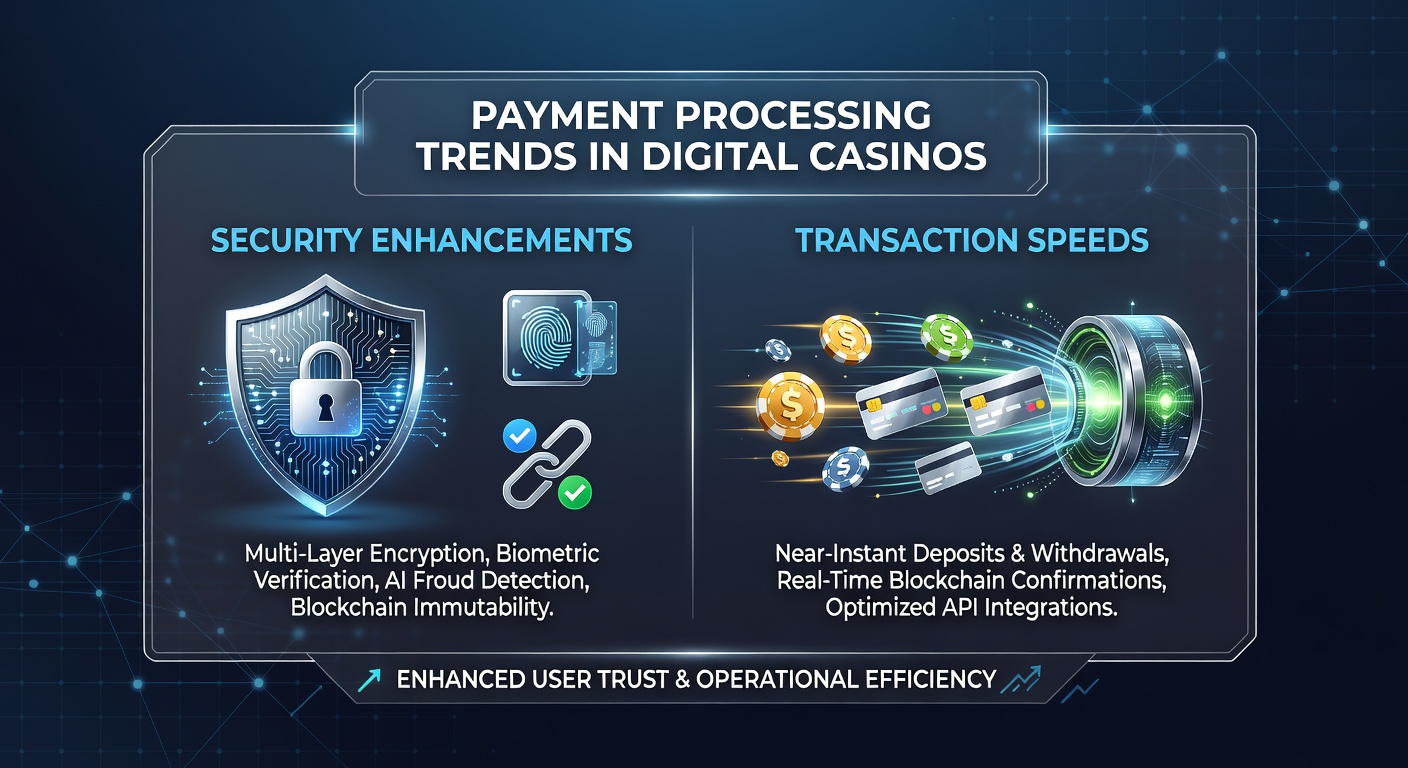
These improvements stem from optimized API integrations that route requests through fewer intermediaries, and data compiled by the European Gaming and Betting Association shows average withdrawal times dropping from forty-eight hours to under fifteen minutes for verified accounts in participating regions. Edge computing plays a growing role too, processing authorization checks closer to the user's device instead of routing everything through central data centers, which cuts latency while maintaining encryption standards.
Regional Regulatory Influences Shaping Adoption
Operators in Australia have adjusted their systems to align with updates from the Australian Communications and Media Authority, emphasizing both faster reconciliation for player funds and stricter audit trails that log every step of a transaction. European markets meanwhile push for unified standards under evolving directives, where casinos must demonstrate that security enhancements do not compromise the speed gains players have come to expect during live sessions.
One operator based in Ontario documented how implementing hybrid models, blending traditional processors with blockchain elements for audit purposes, allowed them to handle peak volumes without slowdowns, and similar patterns appear in Nevada-licensed platforms testing comparable frameworks. These changes create environments where compliance checks run in parallel with payment flows rather than sequentially, preserving momentum while satisfying oversight requirements across borders.
Technology Integrations Driving Combined Gains
Cloud-based processors now scale resources dynamically during high-traffic periods such as major sporting events or tournament launches, ensuring verification queues do not bottleneck even when thousands of deposits arrive simultaneously. Quantum-resistant encryption algorithms are entering pilot phases at select sites, preparing systems for future computational threats without adding noticeable delays to current transaction cycles.
Observers note that these integrations often rely on standardized protocols developed through industry collaborations, which allow smaller platforms to adopt the same security and speed features previously available only to larger operators. Payment method diversification further supports this trend, with options like prepaid vouchers and regional bank transfers gaining traction where they meet both local regulations and performance thresholds for quick approvals.
Conclusion
Payment processing in digital casinos reflects ongoing refinements where security measures and transaction efficiency advance together rather than in isolation, supported by data from regulatory sources and industry groups across North America, Europe, and Australia. As platforms continue testing these combined approaches through 2026, the focus remains on systems that handle verification and fund movement reliably at scale while meeting varied compliance expectations.