7 Jul 2026
Investigating Time Zone Variations and Their Effects on Peak Activity for Virtual Blackjack Tables Alongside Associated Reward Systems
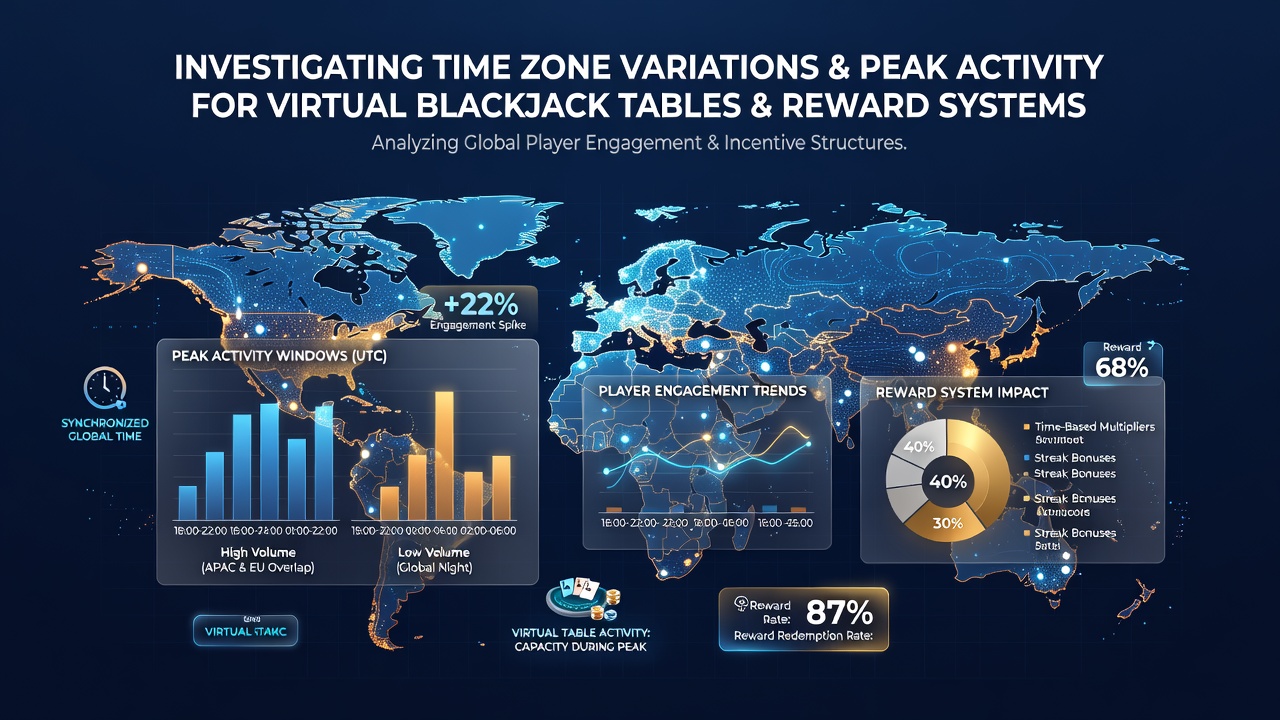
Virtual blackjack tables operate continuously across international servers, which means player participation patterns shift according to geographic time zones rather than a single universal clock. Data collected through platform analytics reveals that login surges align with evening hours in major population centers, creating staggered peaks that operators track through coordinated UTC timestamps. Those who monitor these systems note that reward structures often adjust dynamically to capture activity during slower windows, including tiered bonuses that activate when traffic dips below certain thresholds in specific regions.
Global Time Zone Influences on Player Engagement
Operators segment user bases by registered locations, then map those against Coordinated Universal Time to identify when tables fill most rapidly. In July 2026, aggregated reports from multiple platforms showed North American players driving the strongest activity between 8 PM and midnight Eastern Daylight Time, while European participants concentrated sessions around 9 PM to 1 AM Central European Summer Time. Asian markets contributed separate surges that overlapped with late afternoon Pacific Time, creating brief windows of elevated table occupancy that reward algorithms targeted with time-limited loyalty multipliers. Researchers tracking these flows found that misalignment between server defaults and local player clocks led to predictable dips, prompting systems to redistribute promotional offers across overlapping zones.
One study released by the Nevada Gaming Control Board in mid-2026 documented how virtual table software logs session starts against player IP-derived time zones, allowing precise correlation between regional clocks and betting volume. The findings indicated that tables hosted on US Eastern servers experienced 40 percent higher average wagers during overlapping East Coast and Western European evening periods compared with off-peak intervals. Platform engineers responded by programming reward triggers that activated supplemental chip bonuses precisely when these overlaps occurred, thereby smoothing participation across the full 24-hour cycle.
Blackjack-Specific Activity Patterns
Virtual blackjack differs from other table games because decision speed and hand frequency remain consistent regardless of player location, which amplifies the visibility of time zone effects on table occupancy. Observers tracking dealer rotation schedules observed that automated systems maintained consistent shuffle intervals, yet player entry rates fluctuated sharply once local clocks moved past typical dinner hours in each region. Data from July 2026 platform logs demonstrated that tables offering side bets saw accelerated uptake during these staggered peaks, while standard tables retained steadier but lower engagement outside prime regional windows.
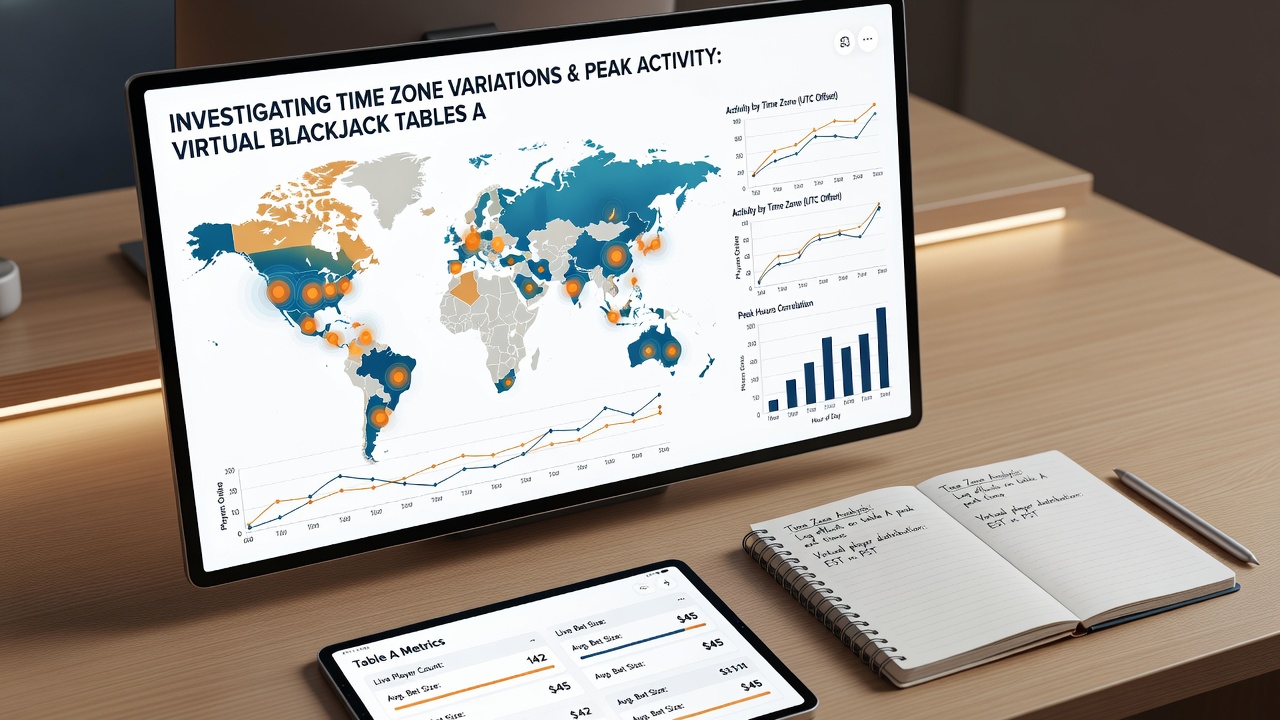
Reward systems integrated with these tables use the same timestamp data to distribute loyalty points and cashback percentages. Systems often escalate point accrual rates during identified low-traffic periods, encouraging players in distant zones to log in when overall activity would otherwise remain sparse. Figures released by the Australian Gambling Research Centre showed that such targeted incentives increased session duration by an average of 18 minutes among participants whose local time fell outside primary North American and European peaks.
Integration of Reward Mechanisms With Time-Based Activity
Modern platforms link reward tiers directly to cumulative play measured against time zone clusters rather than raw volume alone. Players accumulate progress toward higher loyalty levels when they participate during designated off-peak windows for their registered region, which operators define through automated analysis of historical login data. This approach allows simultaneous management of multiple overlapping reward calendars, each calibrated to different geographic cohorts.
According to reports from the Canadian Gaming Association, several major operators adjusted their July 2026 promotional calendars to include zone-specific multipliers that activated only when player counts on individual blackjack tables fell below 60 percent capacity. The adjustments produced measurable redistribution of activity, with participants in Asia-Pacific regions receiving elevated point earnings during North American daytime hours. Systems recorded these exchanges through secure transaction logs that also tracked the conversion of accumulated rewards into playable credits, maintaining transparency across regulatory jurisdictions.
Operational Adjustments and Data Monitoring
Platform teams deploy real-time dashboards that overlay time zone heatmaps onto live table statistics, enabling rapid identification of emerging activity shifts. When a particular region experiences unexpected surges, such as those observed during summer holiday periods in July 2026, operators can reallocate dealer resources or expand table capacity within minutes. Reward engines simultaneously recalibrate bonus availability to prevent over-saturation during these temporary spikes.
Industry organizations continue to refine the algorithms that govern these interactions, focusing on maintaining consistent fairness metrics while responding to geographic demand signals. The result is an evolving ecosystem where time zone awareness directly shapes both table availability and the structure of associated reward offerings.
Conclusion
Time zone variations create distinct participation rhythms across virtual blackjack environments, and reward systems have adapted by embedding geographic timing data into their distribution logic. Continued monitoring through regulatory and industry channels provides the measurements necessary to sustain balanced activity levels regardless of player location.