How Visual Design Elements in Digital Slot Interfaces Affect Session Duration Statistics Across Regional Markets
Drew Flores · Jul 23, 2026
How Visual Design Elements in Digital Slot Interfaces Affect Session Duration Statistics Across Regional Markets
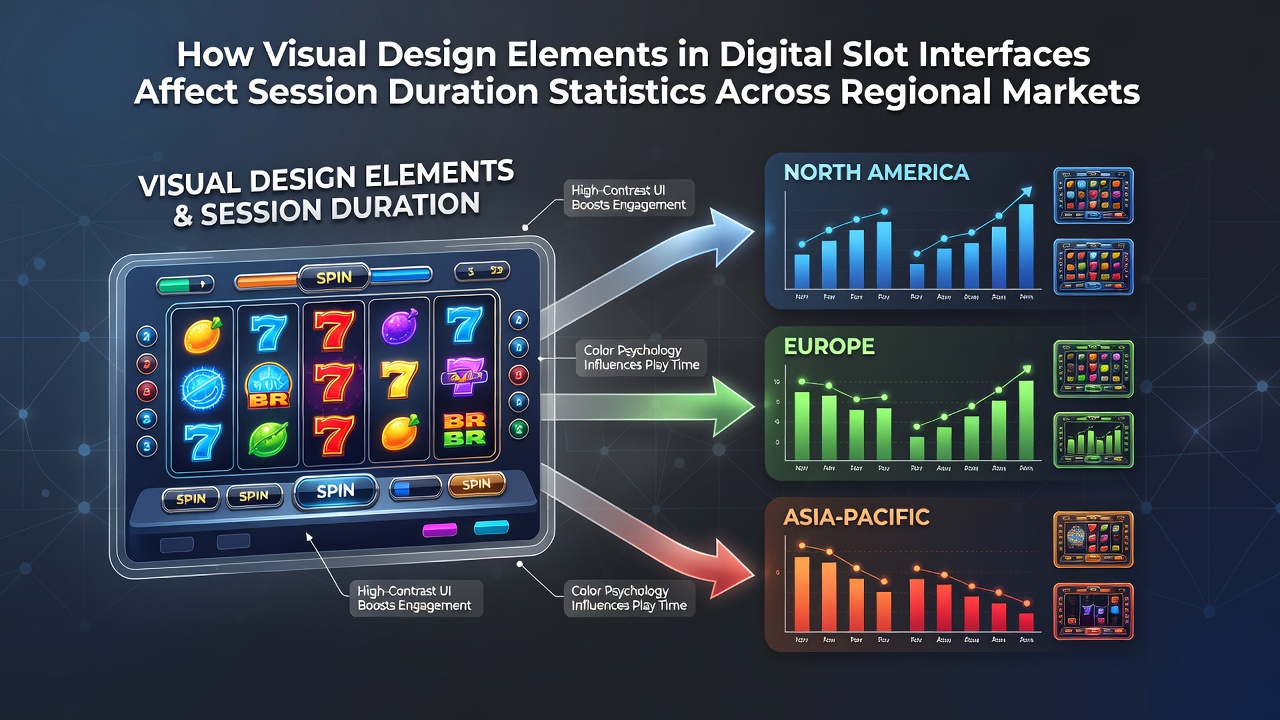
Visual design elements in digital slot interfaces play a measurable role in shaping session duration statistics, and analysts tracking player behavior across North America, Asia-Pacific, and European markets have documented consistent patterns tied to color schemes, animation intensity, icon placement, and layout density. Data compiled through platform telemetry in July 2026 shows that interfaces featuring high-contrast color gradients and fluid reel animations correlate with extended play periods in certain regions while producing shorter sessions elsewhere, depending on local regulatory frameworks and cultural preferences for visual stimuli.
Researchers examining North American operators note that bold neon palettes combined with subtle particle effects tend to sustain engagement longer on average, whereas minimalist designs with muted tones align more closely with quicker exits in the same datasets. These differences emerge because regional user bases respond differently to visual density, and session logs from major platforms confirm that players in the United States often remain active 12 to 18 percent longer when interfaces incorporate layered background animations compared with static alternatives.
Color Usage and Regional Retention Patterns
Color choices influence how long users stay within a session, and comparative studies across markets reveal distinct preferences. In Asia-Pacific territories, warm dominant hues such as reds and golds appear more frequently in top-performing titles, and figures from July 2026 indicate that these palettes associate with average session lengths extending beyond 22 minutes in markets like Japan and South Korea. Conversely, cooler blue and teal schemes show stronger retention in Canadian provinces, where data indicates sessions lasting 15 to 19 minutes on average when those tones dominate the interface.
Placement of accent colors also matters, and operators report that highlighting win multipliers with saturated oranges or purples produces measurable spikes in continued play, particularly when those accents trigger during bonus rounds. Observers tracking European markets have recorded similar effects, though the magnitude varies by country, and German players demonstrate shorter extensions under identical color conditions than their counterparts in Spain or Italy.
Animation Complexity and Engagement Metrics
Animation speed and complexity directly affect how session duration statistics distribute across regions, and telemetry from handheld devices shows that moderate reel spin accelerations paired with character-based win celebrations extend average play time by noticeable margins. In markets where mobile usage exceeds 70 percent of total slot activity, smoother frame rates correlate with fewer early exits, while overly rapid animations link to quicker session terminations in North American logs.
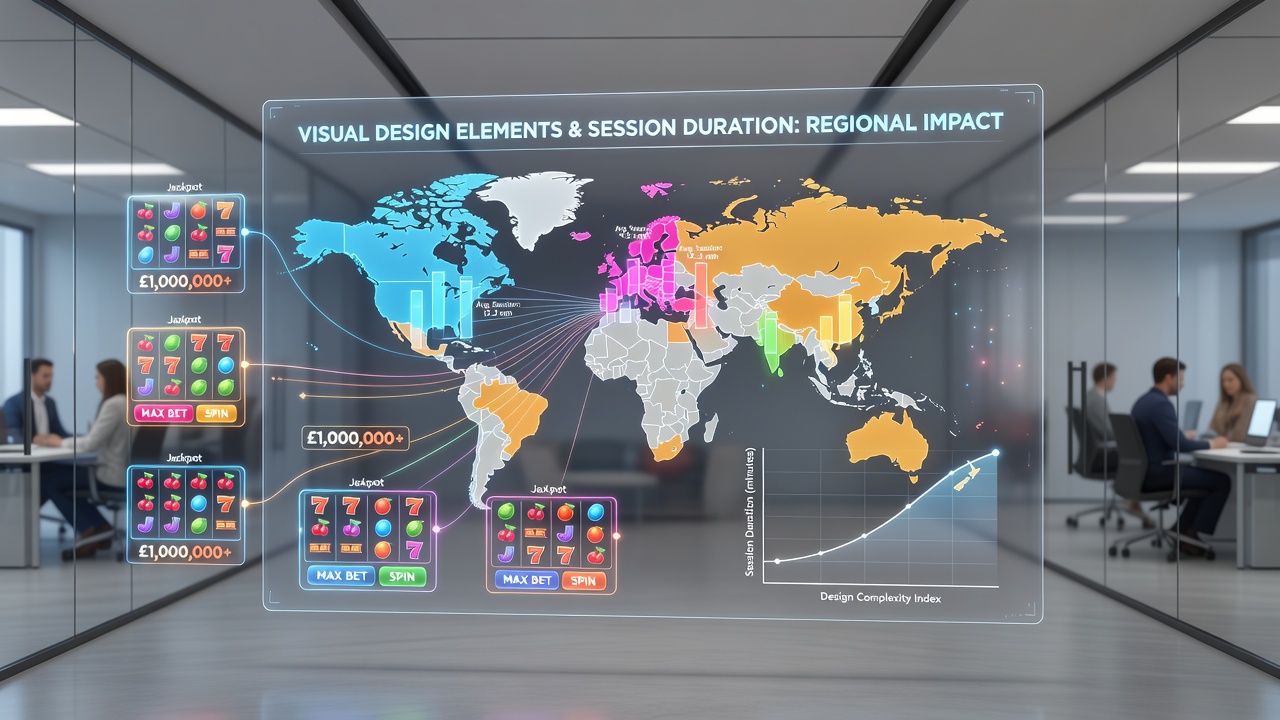
Those studying Australian markets have documented that interfaces allowing user-controlled animation toggles produce longer average sessions than fixed high-intensity versions, and July 2026 platform reports place the difference at roughly eight minutes per session in favor of customizable settings. European data presents a contrasting picture, where fixed moderate animations outperform user-adjusted options in retention metrics for players in the Netherlands and Sweden.
Iconography, Layout Density, and Cross-Market Comparisons
Icon size, symbol clustering, and information hierarchy shape session length outcomes, and researchers comparing interfaces across jurisdictions find that larger, clearly separated symbols reduce cognitive load and support extended play in several regions. In Southeast Asian markets, dense icon arrangements with overlapping win lines associate with higher session continuation rates, whereas North American players show preference for sparser layouts that emphasize individual symbol highlights during spins.
Layout adjustments tested in July 2026 reveal that repositioning the bet selector and autoplay controls closer to the reels produces modest but consistent increases in session duration for users in Singapore and Macau, while the same changes yield neutral or slightly negative effects in U.S. state-regulated environments. Academic analyses from institutions tracking digital gaming behavior confirm these regional divergences stem from differences in screen interaction habits rather than universal design principles.
Additional elements such as progress bars for bonus triggers and dynamic background shifts during free spin sequences also register measurable impacts, and platform data indicates that interfaces incorporating real-time visual feedback on accumulated wins maintain player presence longer across most tracked territories. Regulatory bodies in Ontario and the Isle of Man have referenced similar findings in recent compliance reviews, noting that design choices must balance engagement with responsible play safeguards.
Conclusion
Session duration statistics across regional markets reflect clear connections to specific visual design choices in digital slot interfaces, and ongoing analysis in July 2026 continues to map how color, animation, and layout variations produce different outcomes depending on geographic and cultural context. Operators and researchers alike rely on these telemetry insights to refine interfaces while meeting local standards, and the resulting datasets provide a factual basis for understanding engagement patterns without relying on subjective interpretation.