How Digital Wallet Preferences Shape Access to Progressive Slot Jackpots on Handheld Platforms
Frankie Butler · Aug 18, 2026
How Digital Wallet Preferences Shape Access to Progressive Slot Jackpots on Handheld Platforms
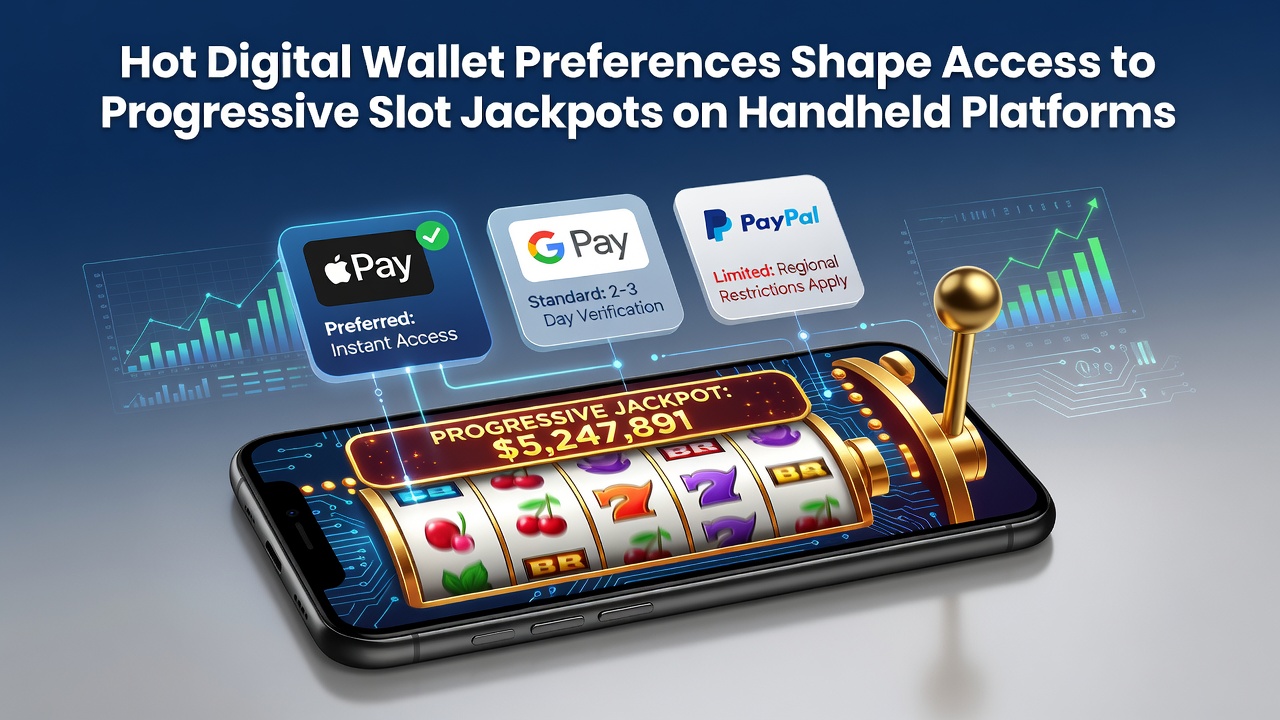
Digital wallet preferences have emerged as a key factor in how players reach progressive slot jackpots on handheld platforms, where transaction speed, deposit limits, and platform integration directly determine eligibility for pooled prize pools. As of August 2026, mobile gaming data shows that wallet choice often dictates whether users can contribute to and claim from these growing jackpots in real time, since many handheld systems require instant funding to qualify for the latest progressive increments. Research from regulatory bodies indicates that wallets supporting low-latency transfers see higher participation rates in mobile progressive games compared to slower options.
Wallet Integration and Jackpot Eligibility Rules
Handheld platforms enforce specific rules around funding sources for progressive slots, and digital wallets that meet those criteria unlock broader access while others create barriers through processing delays or minimum threshold requirements. Studies from the New Jersey Division of Gaming Enforcement reveal that e-wallets integrated directly with slot networks allow seamless contributions to progressive meters, whereas users relying on less compatible options frequently encounter hold periods that disqualify them from current jackpot rounds. Data shows these integration differences have widened since early 2026 as more operators tie jackpot participation to verified instant-payment methods.
Observers note that progressive jackpot systems on mobile devices track every qualifying bet in milliseconds, so wallets capable of sub-second confirmations maintain player eligibility across multiple games simultaneously. Those who study transaction patterns find that certain digital wallets reduce failed deposit attempts by up to 40 percent on handheld devices, directly increasing the volume of bets feeding into shared prize pools.
Regional Patterns in Wallet Adoption for Mobile Progressives
Adoption rates vary by region, with North American users favoring wallets that combine speed and regulatory compliance while European and Asia-Pacific markets show stronger uptake of privacy-focused options that still meet mobile platform standards. Figures from the New Jersey Division of Gaming Enforcement indicate that over 65 percent of progressive slot activity on New Jersey-licensed mobile apps in the first half of 2026 originated from three dominant wallet types, each chosen for its ability to clear funds before jackpot resets occur. In contrast, Australian market reports highlight growing preference for wallets offering built-in responsible gaming limits that still permit rapid top-ups during active progressive sessions.
Transaction Speed and Progressive Pool Contributions
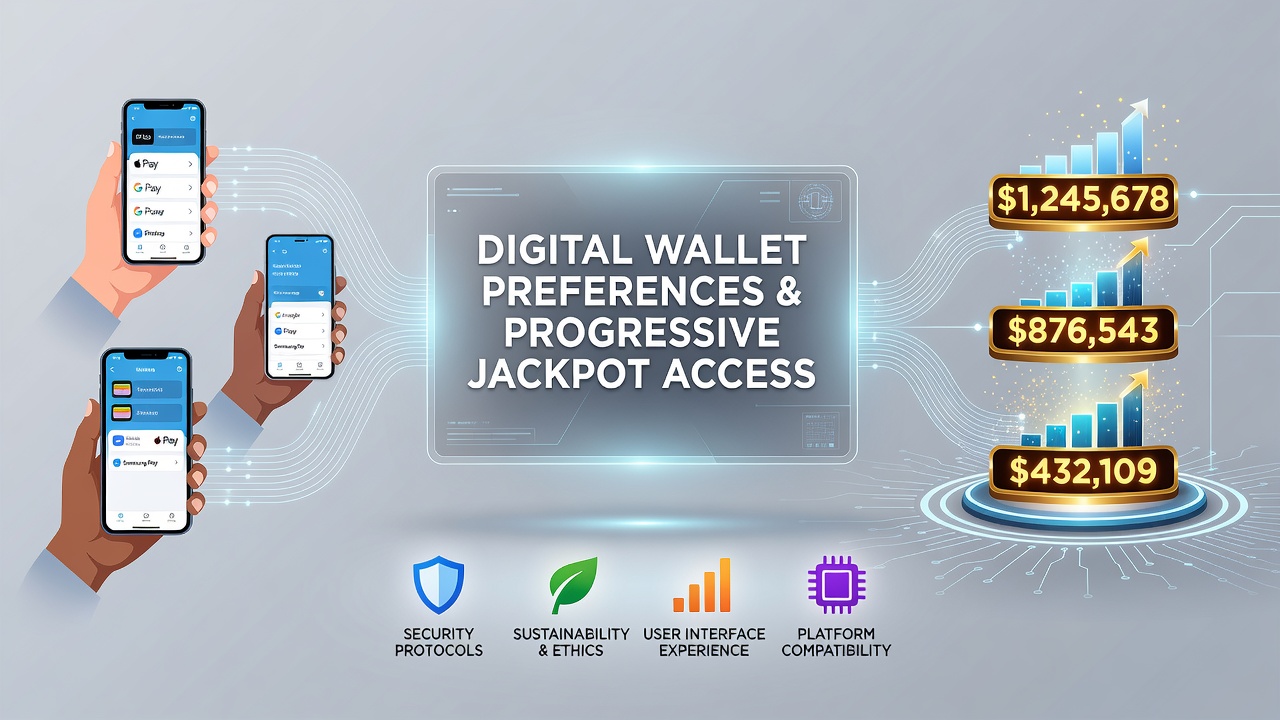
Speed remains the decisive element because progressive jackpots update continuously, and any delay in bet registration can exclude a player from the current prize level. Research indicates that wallets completing authorization in under two seconds capture significantly more jackpot-eligible spins on handheld platforms than those averaging five seconds or longer. Industry reports compiled through August 2026 document that operators have begun prioritizing wallet partnerships that guarantee sub-second processing precisely to maximize contributions to mobile progressive pools.
Payment gateways linked to popular digital wallets also influence available bet denominations, since some services impose temporary caps that prevent players from reaching the minimum stake required for certain progressive tiers. Those who analyze mobile transaction logs note that users switching to higher-capacity wallets often see immediate increases in jackpot participation metrics within the same gaming session.
Security Features and Sustained Access
Security protocols embedded in digital wallets affect long-term access because platforms frequently suspend accounts after repeated verification failures during jackpot play. Data from academic studies on mobile gambling infrastructure shows that wallets employing biometric confirmation paired with device binding maintain higher success rates for repeated progressive contributions than those relying solely on passwords. This pattern holds across multiple handheld operating systems where security mismatches trigger automatic funding blocks.
Wallet providers that offer real-time balance updates help players track contributions to progressive meters without leaving the game interface, reducing interruptions that could otherwise reset eligibility timers on some platforms. Reports from the Australian Gambling Research Centre confirm that seamless visibility into wallet balances correlates with sustained engagement in mobile progressive titles through mid-2026.
Conclusion
Digital wallet preferences continue to determine who can consistently access and contribute to progressive slot jackpots on handheld platforms through differences in speed, integration depth, and compliance features. As mobile gaming ecosystems evolve, the alignment between wallet capabilities and platform requirements remains central to participation rates across regions. Ongoing data collection through regulatory and research channels will track how these preferences shift alongside new handheld technologies and jackpot structures.