Examining Synchronization Patterns Between Reel Mechanics and Real-Time Interactions in App-Based Table Environments
Paul Vogel · Jul 18, 2026
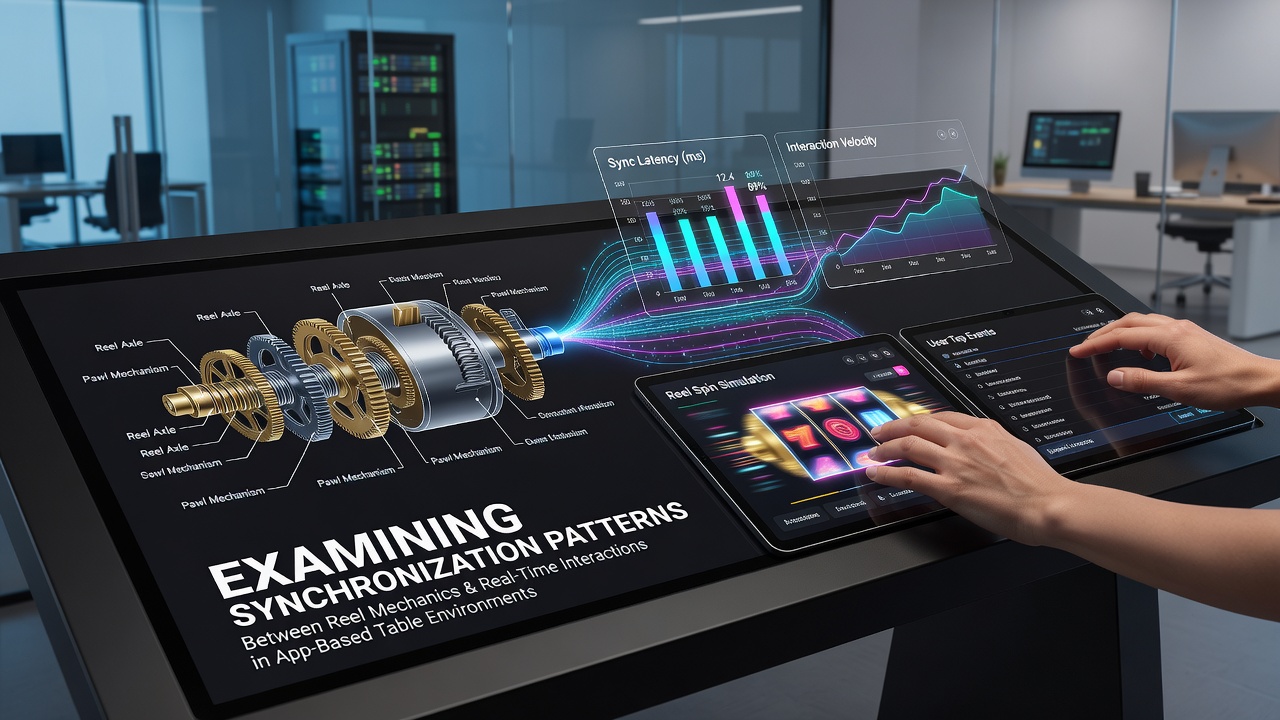
Examining Synchronization Patterns Between Reel Mechanics and Real-Time Interactions in App-Based Table Environments
App-based gaming platforms integrate slot reel mechanics with live table interactions through coordinated timing systems that manage spin cycles alongside player decisions in real time, and these patterns have drawn attention from developers seeking consistent performance across devices. Reel sequences rely on algorithmic generation while table sessions depend on live data streams, which creates demands for precise alignment in hybrid environments.
Core Components of Reel Mechanics in Mobile Applications
Reel mechanics operate through predetermined symbol mappings updated at fixed intervals, often measured in milliseconds, and developers calibrate these cycles to match network latency reports collected from user devices during peak hours. In July 2026 industry tests revealed average reel refresh rates stabilizing near 16 milliseconds on 5G connections, whereas older networks required compensatory buffering to prevent visual desync.
Data streams from slot engines feed into shared state managers that also track table game variables such as card positions and betting timers, allowing cross-feature events like progressive triggers to activate without interrupting ongoing sessions. Observers note that these managers use timestamp protocols to reconcile differences between local reel animations and server-confirmed outcomes.
Real-Time Table Interactions and Their Technical Demands
Table environments in the same apps process player inputs against live dealer feeds or randomized card distributions, and synchronization occurs when reel outcomes influence table multipliers or shared bonus rounds. Systems record each interaction with microsecond precision, then route the data through middleware layers that align it with reel states already in motion.
Research from the University of Nevada's gaming technology lab has documented how multi-threaded architectures handle simultaneous reel spins and table decision windows, reducing average response lag to under 50 milliseconds in controlled trials conducted during early 2026. Such measurements help quantify the effectiveness of current alignment methods across varied hardware profiles.
Observed Synchronization Patterns Across Platforms
Patterns emerge when apps employ predictive queuing to preload reel results seconds before table rounds conclude, which smooths transitions during combined play modes. One documented approach involves event-driven listeners that trigger reel pauses upon detecting table input spikes, then resume once both systems confirm matching timestamps.
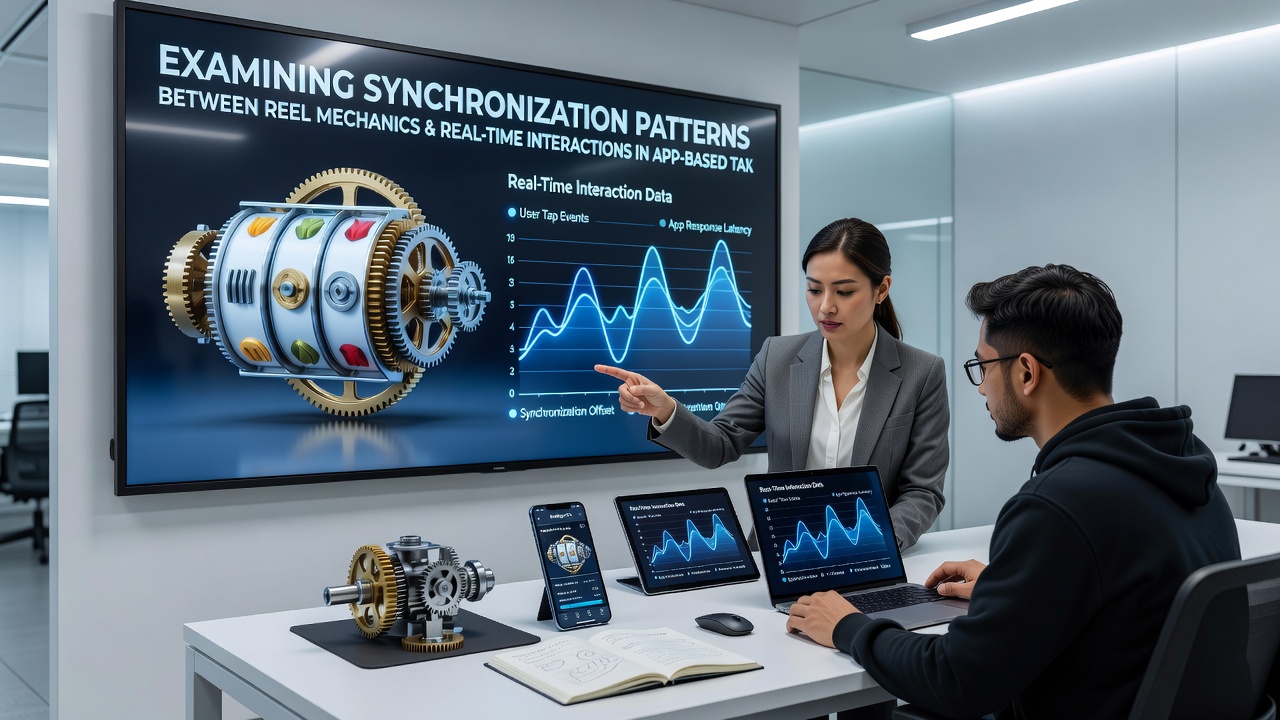
Additional patterns surface in tournament settings where multiple users share reel sequences tied to collective table performance metrics, and logs from these events show reduced variance in outcome delivery when clock synchronization protocols follow NTP standards across regional servers. Figures released by the American Gaming Association in mid-2026 indicated that platforms adopting unified timing layers reported 18 percent fewer session interruptions compared with prior architectures.
Yet latency spikes during high-traffic periods still require fallback mechanisms such as local reel simulation that later reconciles with server data, and these adjustments maintain perceived continuity even when global clock offsets reach several hundred milliseconds. Developers track these offsets through continuous telemetry feeds that aggregate device reports into regional performance maps.
Integration Challenges and Mitigation Strategies
Device diversity introduces variables in processing speed and display refresh rates, which affect how closely reel animations match table interaction windows. Mitigation often centers on adaptive frame scaling that adjusts animation speeds based on detected hardware capabilities, while preserving the integrity of underlying random number sequences.
Network variability further complicates matters because packet loss can desynchronize local reel states from live table feeds, prompting the use of redundant data packets and sequence numbering to detect and correct gaps before they reach the user interface. Reports from Canadian regulatory testing programs have highlighted successful implementations of these redundancy layers in cross-border app deployments.
Future Directions in Coordinated Gaming Systems
Emerging frameworks explore blockchain-based ledgers for logging both reel and table events in immutable sequences, which could streamline dispute resolution and audit trails without adding noticeable overhead to real-time operations. Pilot programs scheduled for late 2026 aim to measure the impact of distributed verification on synchronization accuracy across international user bases.
Continued refinement of these patterns depends on aggregated performance data gathered from live environments, and industry groups continue to standardize reporting formats that allow direct comparison of synchronization metrics between different app providers.
Conclusion
Synchronization between reel mechanics and real-time table interactions in app-based environments relies on layered timing protocols, adaptive buffering, and continuous telemetry that together maintain consistency across diverse network conditions. Data collected through 2026 demonstrates measurable improvements in session stability when these elements align through standardized middleware, while ongoing tests explore additional verification methods that may further reduce discrepancies in combined play formats.