Examining Intersections Between Funding Protocols and Access Patterns for Dealer-Led Variants on Portable Platforms
Drew Flores · Jun 25, 2026
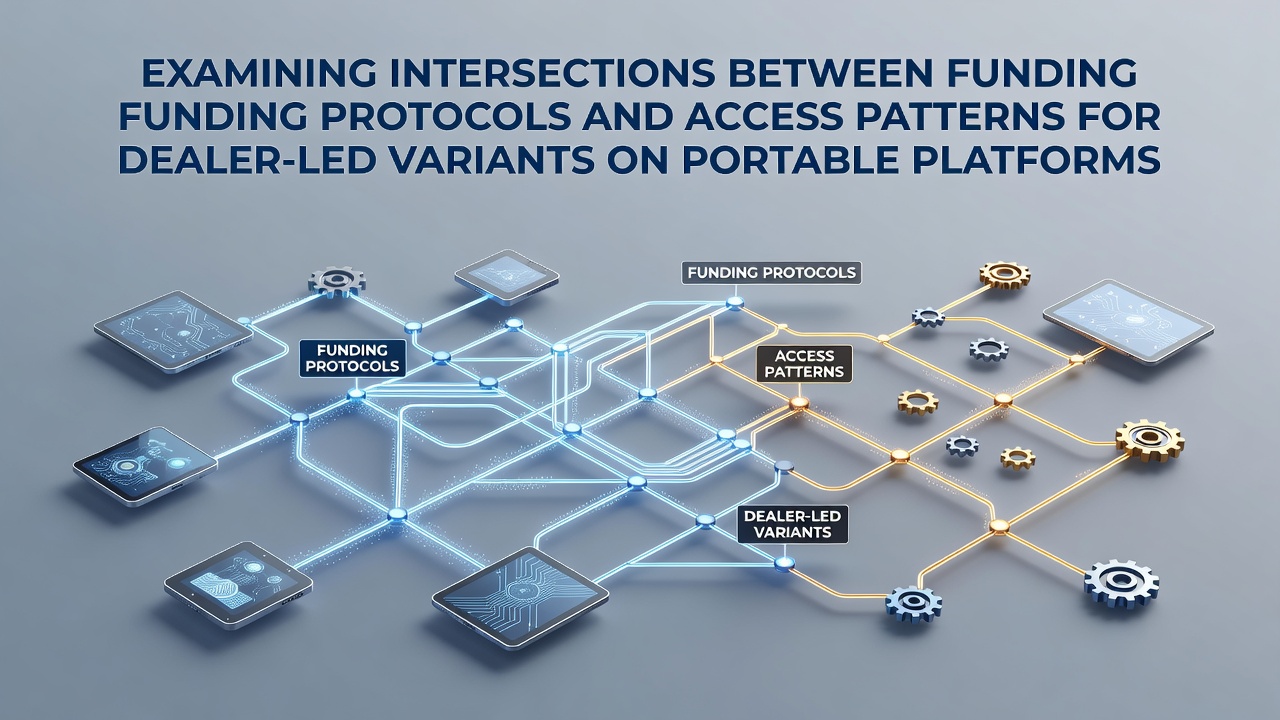
Examining Intersections Between Funding Protocols and Access Patterns for Dealer-Led Variants on Portable Platforms
Data from multiple markets shows that funding protocols and access patterns for live dealer games on mobile platforms have grown increasingly intertwined throughout 2025 and into June 2026. Operators report that deposit methods directly influence how often players engage with real-time table variants such as blackjack and roulette streamed to handheld devices. Patterns emerge when instant funding options align with peak mobile usage hours, creating measurable shifts in session lengths and game selection.
Funding Protocols in Mobile Live Dealer Environments
Payment systems on portable platforms typically rely on a mix of digital wallets, bank transfers, and card-based solutions that support immediate access to dealer-led tables. Regulatory filings from several jurisdictions indicate that platforms prioritizing low-latency deposit confirmations see higher retention rates for live dealer content compared to those with delayed processing. In regions where instant e-wallet approvals dominate, players move from deposit to active play within seconds rather than minutes, a factor that correlates with increased participation in multi-table live sessions.
June 2026 figures from Canadian operators highlight that crypto-linked funding channels have expanded access during evening hours when mobile traffic peaks. These methods bypass traditional banking delays, allowing users to enter dealer-led games without interruption. Observers note that platforms integrating these protocols report steadier access patterns across different user demographics, particularly among those who favor quick entry into baccarat and poker variants streamed live.
Access Patterns and Their Connection to Deposit Methods
Access patterns refer to the timing, frequency, and duration of player engagement with live dealer content on mobile devices. Research from industry groups shows that seamless funding options encourage shorter but more frequent sessions, whereas slower methods tend to cluster activity into fewer, longer visits. This distinction becomes clear in markets where mobile data usage for live streams remains high during commute periods and late-night windows.
One study tracking user behavior across European markets found that players using prepaid card protocols accessed dealer-led roulette more consistently on weekdays, while those relying on bank transfers showed stronger weekend clustering. The difference stems from confirmation speeds that either enable spontaneous play or require advance planning. Platforms that optimize for both scenarios maintain broader access across varied player routines.

Intersections Observed in June 2026 Data
Current tracking in multiple jurisdictions reveals clear intersections where funding speed shapes access frequency. According to reports compiled by iGaming Ontario, platforms that reduced deposit friction for live dealer tables recorded a 14 percent rise in mobile session starts during the first half of June 2026 compared to the prior month. This uptick appeared most pronounced among users who previously abandoned sessions after encountering processing delays.
Similar patterns surface in Australian regulatory summaries, where instant funding integrations coincided with extended evening access to dealer-led variants. Players who combined digital wallet deposits with push notifications entered tables more readily during brief windows of availability. The result shows up in aggregated metrics as steadier participation rates rather than sporadic spikes tied to payday cycles or promotional windows.
Those who've examined cross-platform data observe that access patterns also shift when funding protocols incorporate spending limits or verification steps. Mobile users facing additional checks often delay entry into live dealer games until verification completes, which compresses activity into narrower time blocks. Platforms that streamline these steps while maintaining compliance see more distributed access throughout the day.
Regional Variations in Protocol and Pattern Alignment
Differences appear across regulatory environments. In New Jersey, where mobile gaming oversight includes detailed transaction reporting, operators note that card-based funding supports consistent daytime access to live blackjack tables, while e-wallet options dominate late-night engagement. This split reflects both user preference and the technical requirements of each method under local rules.
European markets tracked by national gaming authorities show comparable trends, with bank transfer protocols linking to longer but less frequent sessions. Meanwhile, regions emphasizing rapid verification report higher overall mobile penetration for dealer-led content. These variations underscore how local funding norms intersect with portable platform capabilities to shape daily access rhythms.
Conclusion
Available evidence demonstrates that funding protocols and access patterns for live dealer games on mobile platforms continue to influence each other in measurable ways. June 2026 data reinforces earlier observations that faster deposit methods support more flexible engagement, while slower options concentrate activity. Operators and regulators tracking these intersections gain clearer insight into how payment infrastructure supports or constrains mobile participation in dealer-led variants across different markets and time zones.