Decoding Shuffle Mechanics and Their Influence on Fairness Perceptions in Virtual Card Sessions
Sofia Schwarz · May 23, 2026
Decoding Shuffle Mechanics and Their Influence on Fairness Perceptions in Virtual Card Sessions
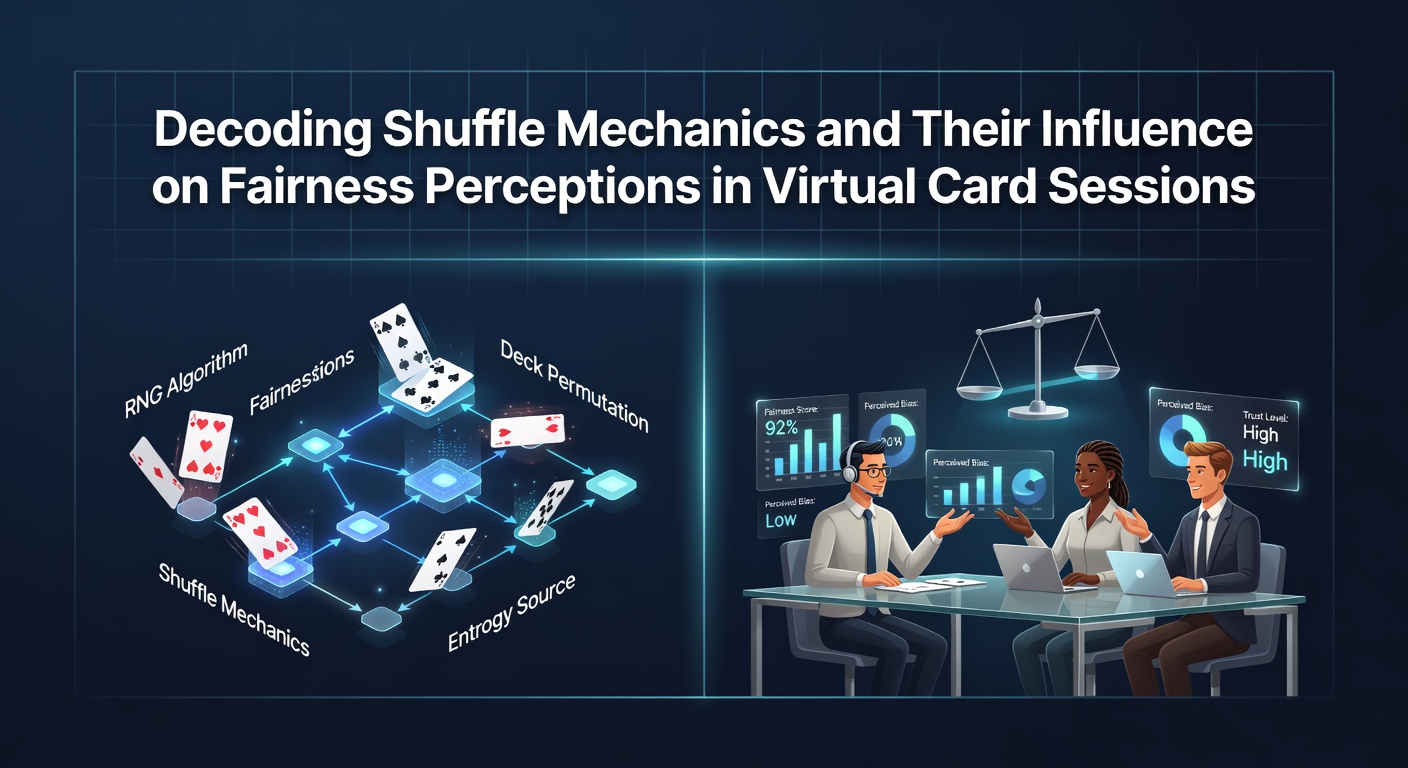
Virtual card sessions in online platforms depend on sophisticated shuffle mechanics that replace physical deck handling with algorithmic processes, and these systems shape how participants evaluate the integrity of each deal. Software providers integrate random number generators with specific shuffling protocols to produce sequences that mimic traditional randomization while operating within digital constraints, and regulatory frameworks require ongoing verification to maintain compliance across jurisdictions.
Core Components of Digital Shuffle Systems
Modern virtual card platforms employ pseudo-random number generators seeded by entropy sources such as hardware events and system timestamps, then apply algorithms like the Fisher-Yates method to reorder virtual decks. This approach ensures every card combination holds equal probability when executed correctly, and independent testing laboratories audit the implementation to confirm statistical uniformity over millions of simulated deals. Data from the Nevada Gaming Control Board shows that certified systems undergo continuous monitoring, with monthly reports tracking deviation rates that remain below established thresholds in compliant operations.
Developers sometimes layer cryptographic hash functions on top of basic generators to enhance unpredictability, and this combination addresses concerns about pattern detection in extended play sessions. Observers note that the transition from simple linear congruential generators to more advanced methods occurred progressively through the 2010s, driven by increasing computational power available to both operators and potential adversaries.
Regulatory Standards Across Regions
Authorities in multiple jurisdictions mandate third-party certification for shuffle mechanisms before platforms receive operating licenses, and these requirements vary by region yet share core principles around statistical testing and source code review. The Malta Gaming Authority requires operators to submit algorithm documentation alongside live performance logs, while Canadian provincial regulators emphasize real-time anomaly detection integrated into the shuffle process itself. Research indicates that such layered oversight reduces the incidence of detectable biases, though the precise impact depends on enforcement consistency across different markets.
Standards bodies also specify minimum entropy levels and reseeding intervals for generators, and compliance documentation often includes detailed test results from suites like DIEHARD and NIST SP 800-22. Those who've examined regulatory filings observe that operators must demonstrate not only initial approval but also periodic re-certification following any software updates that touch the randomization layer.
Player Perceptions and Empirical Findings
Surveys conducted by academic researchers reveal that participants form fairness judgments based on observable outcomes over time rather than direct inspection of underlying code, and prolonged sequences without expected variance can trigger skepticism even when statistical tests confirm randomness. One study from a Canadian research institute examined session logs across several platforms and found that perceived fairness correlated more strongly with visible shuffle animations than with actual certification status, suggesting interface design plays a mediating role in trust formation.
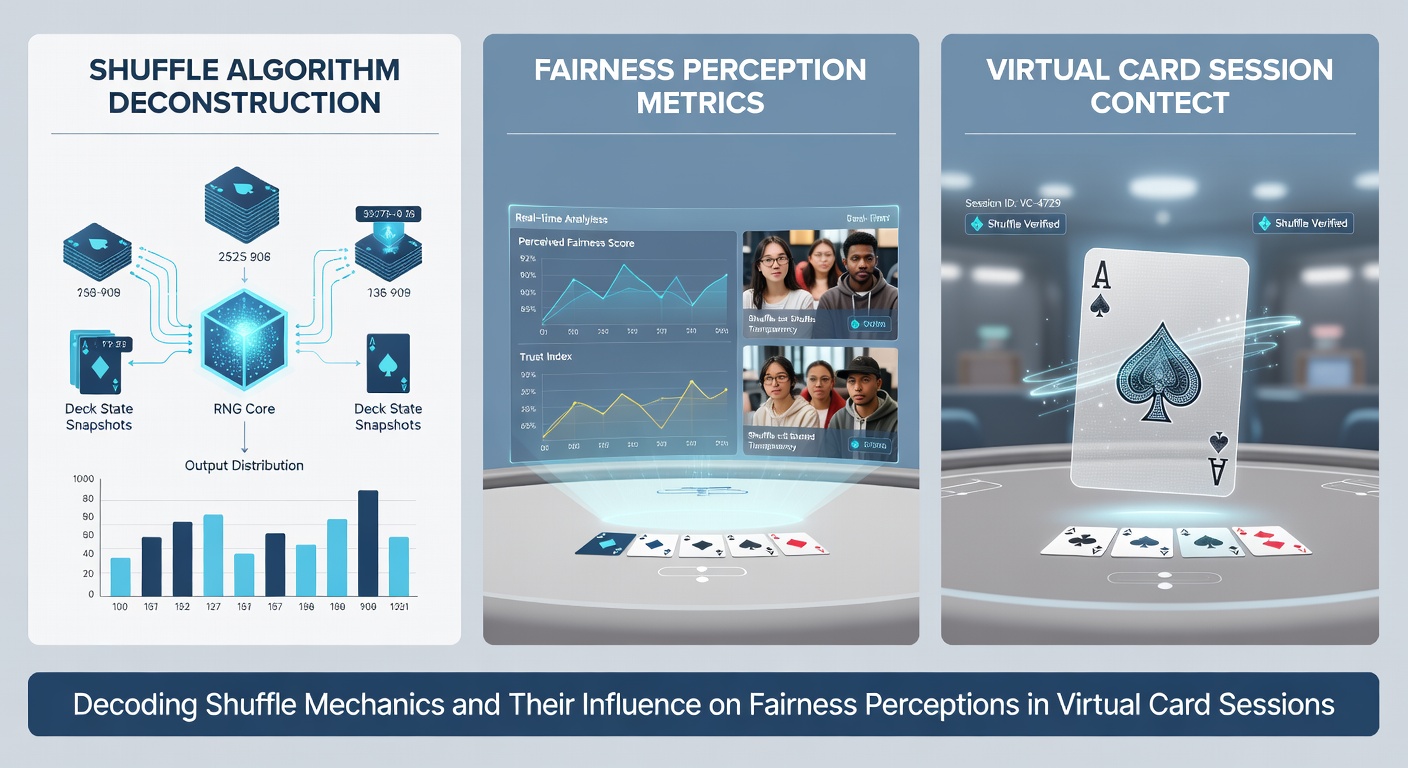
Operators have responded by incorporating visual cues that simulate physical mixing, and these elements help bridge the gap between algorithmic processes and user expectations. Figures from industry reports indicate that platforms displaying detailed certification badges experience higher retention rates among players who actively review such information, while others rely primarily on outcome consistency to sustain confidence.
Developments Observed in Mid-2026
Throughout May 2026, several testing laboratories released updated protocols that incorporate machine learning techniques for identifying subtle non-random patterns in large datasets generated by virtual shuffle systems. These advancements allow auditors to process greater volumes of deal histories in shorter timeframes, and early adoption among major platforms has coincided with revised reporting requirements in select markets. Regulators in Australia have begun piloting automated submission portals that streamline the exchange of shuffle performance metrics between operators and oversight bodies.
Industry associations have also published comparative analyses of shuffle implementations across different game types, highlighting variations in reseed frequency and entropy collection methods. Those monitoring these trends note that the pace of technical refinement continues to accelerate as computational resources expand and player volumes grow in virtual environments.
Conclusion
Shuffle mechanics in virtual card sessions combine algorithmic precision with regulatory verification to deliver outcomes that align with established randomness standards, and ongoing developments in testing methodologies support continued refinement of these systems. Player perceptions remain influenced by both technical performance and presentation choices, which creates ongoing opportunities for alignment between certified processes and user experience. As platforms evolve through 2026 and beyond, the interplay between shuffle implementation and fairness assessments will likely remain a central consideration for operators, regulators, and participants alike.