Charting Loyalty Tier Milestones and Their Effect on Long-Term Engagement in Reel and Table Ecosystems
Drew Flores · May 19, 2026
Charting Loyalty Tier Milestones and Their Effect on Long-Term Engagement in Reel and Table Ecosystems
Understanding Loyalty Structures in Digital Gaming
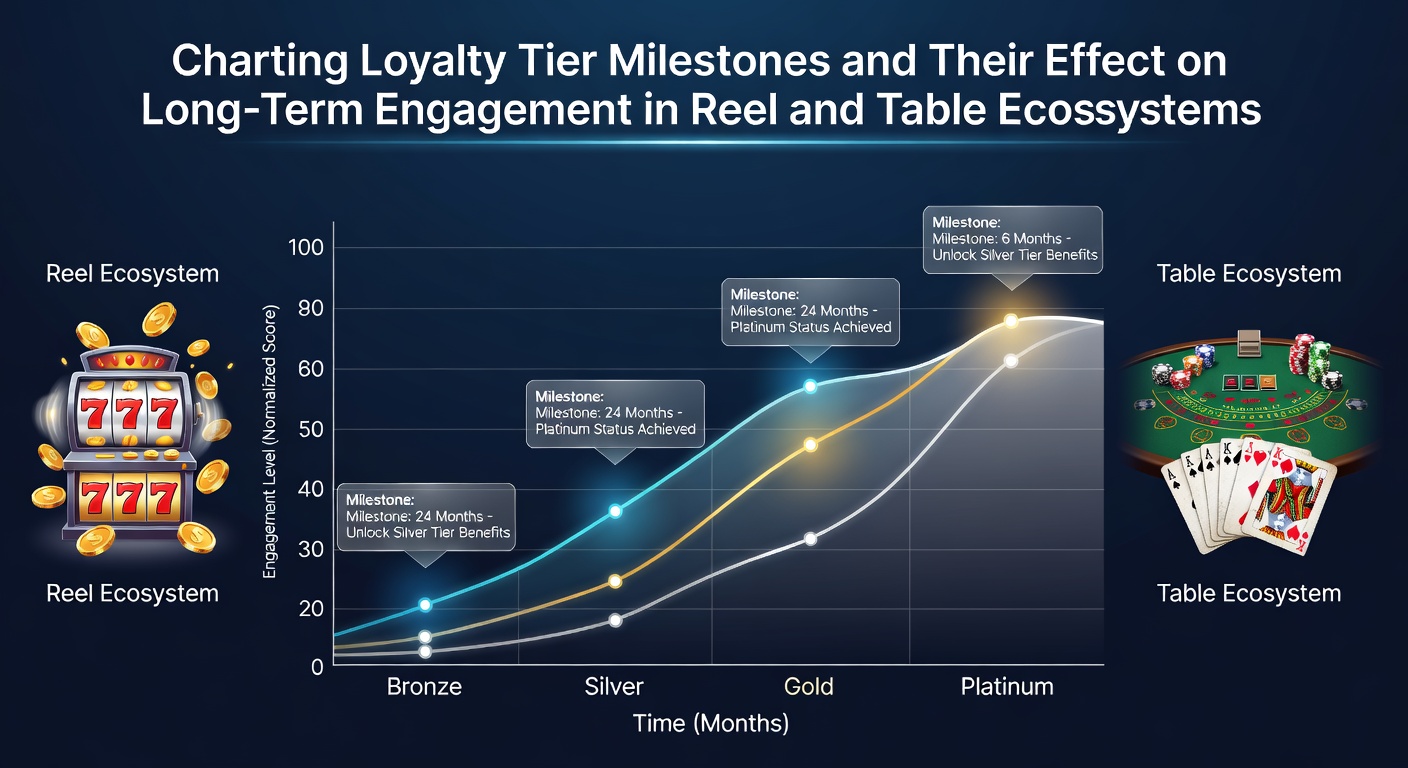
Operators track player activity through structured loyalty programs that assign points based on wager volume, and these systems create clear milestones that unlock tiered benefits over time. Research from industry analysts shows that players who reach higher tiers maintain consistent session lengths across both reel-based games and table environments, while those who remain in entry levels often show shorter overall participation windows. Data collected through platform analytics reveals patterns where milestone achievements correlate with increased return visits, particularly when rewards include customized game access or accelerated point multipliers.
Reel ecosystems rely heavily on high-volume spins to accumulate points, yet table game environments generate milestones through strategic play and extended rounds, and this distinction shapes how operators design progression paths that keep participants engaged across different formats. According to figures from the American Gaming Association, loyalty systems implemented in 2025 demonstrated measurable retention lifts when milestones aligned with player preferences in each ecosystem.
Milestone Triggers and Behavioral Shifts
Players advance through tiers by hitting specific thresholds, such as accumulating 5,000 points for silver status or 25,000 for gold, and these targets prompt shifts in play frequency that researchers have documented in multiple platform audits. Evidence suggests that once a milestone is reached, engagement metrics rise because rewards such as exclusive table seat reservations or reel bonus rounds become immediately accessible, creating a feedback loop that sustains activity.
Take one mid-sized operator in North America that adjusted its tier requirements in early 2026, and observers noted a 18 percent increase in monthly active users who progressed beyond the initial bronze level within three months. What's interesting is how reel players responded faster to point multipliers on popular slots, whereas table enthusiasts showed stronger retention when milestones granted priority access to live dealer sessions.
Comparative Impact Across Reel and Table Formats
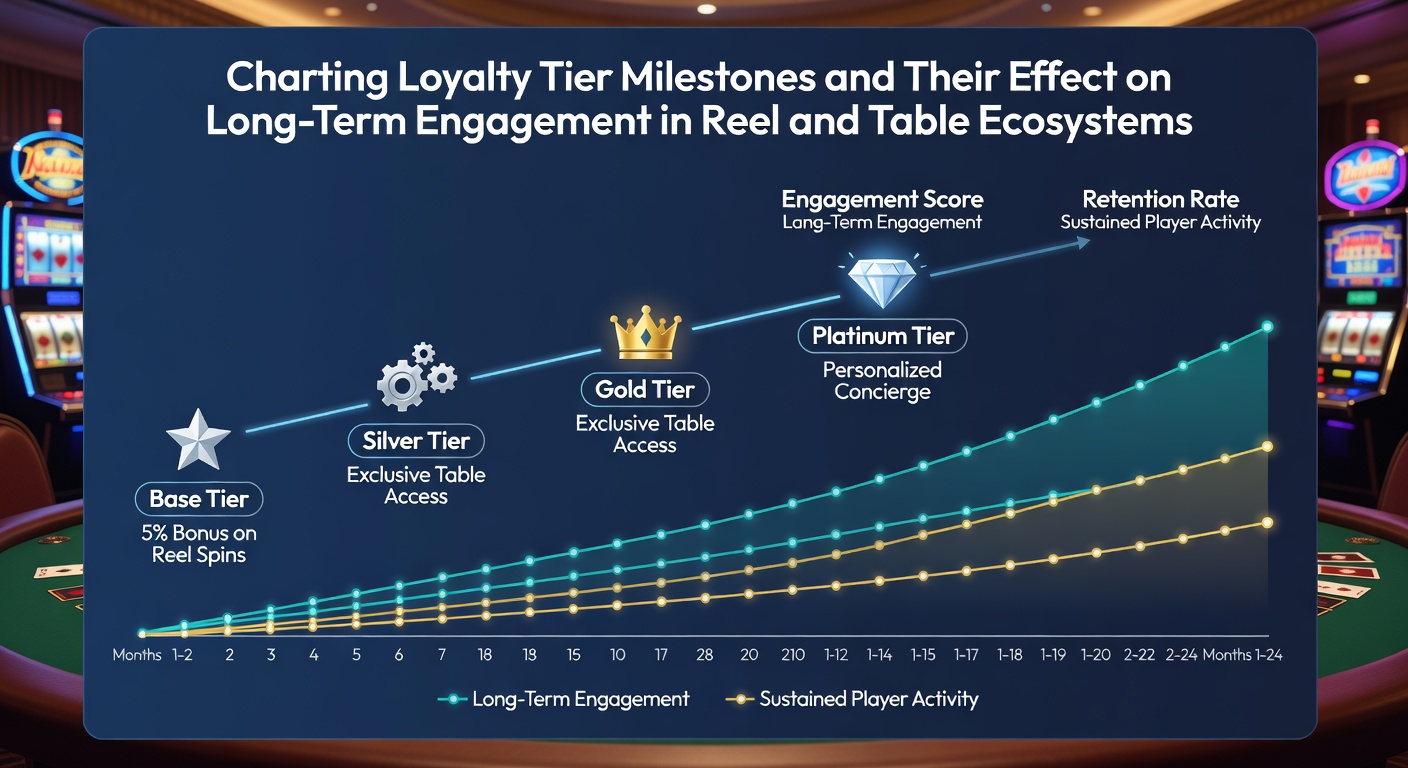
Reel environments generate rapid point accumulation due to continuous spin cycles, which allows players to cross milestones quicker and receive immediate feedback through free spins or cashback offers. Table game ecosystems, by contrast, build points through hand volume and time spent at the table, and this slower pace often results in deeper loyalty when operators introduce milestone rewards like reduced rake or personalized strategy tools.
Studies conducted by the University of Nevada Gaming Research Center indicate that hybrid players who participate in both formats demonstrate the highest long-term engagement rates when tier benefits bridge the two ecosystems, such as shared point pools or cross-game reward redemptions. Reports from iGaming Ontario further reveal that platforms offering unified loyalty tracking recorded stronger May 2026 performance in player retention compared to segmented systems.
Operators continue to refine milestone structures because data shows clear differences in how reel and table participants value specific rewards, and these insights drive targeted promotions that extend session duration without requiring higher spend levels.
Long-Term Retention Patterns and Platform Adjustments
Longitudinal tracking of loyalty members reveals that players who achieve platinum or diamond status maintain account activity for an average of 14 months longer than those who stall at lower tiers, and this gap widens when milestones incorporate progressive benefits like birthday bonuses or anniversary point surges. Platform updates rolled out during spring 2026 introduced dynamic milestone recalibration that responds to individual play history, and early results point to improved engagement consistency across both reel and table segments.
One European operator group reported that integrating milestone alerts directly into mobile interfaces reduced churn among mid-tier players by highlighting upcoming rewards before they lapsed, and similar tactics have appeared in Canadian and Australian markets where regulatory frameworks encourage transparent loyalty communication.
Conclusion
Loyalty tier milestones function as measurable checkpoints that influence sustained participation in reel and table ecosystems, and teh data collected through 2026 continues to highlight their role in shaping player behavior over extended periods. Operators who align these milestones with distinct gameplay rhythms in each format achieve more stable engagement outcomes, while unified tracking systems support hybrid participation that extends account lifespan. Ongoing platform refinements reflect these patterns, and the evidence from regulatory reports and academic analyses supports continued investment in milestone design that responds to actual player progression data.